Precision Medicine
·17 min read
Biological vs. Metabolic vs. Chronological Age: How Are They Measured?
Your birthday candles are the least interesting number on the cake. Here is a buyer's guide to the clocks, blood panels, and AI models that tell you how old you actually are — and how to act on the answer.
By Tony Medrano & Dr. Kevin Friend
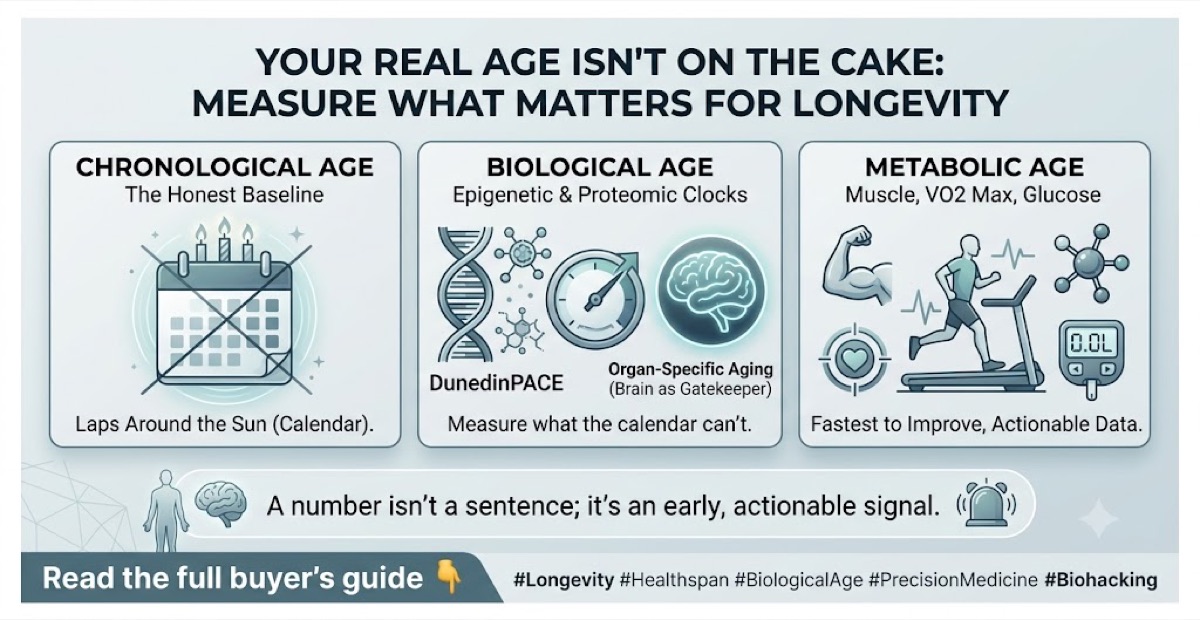
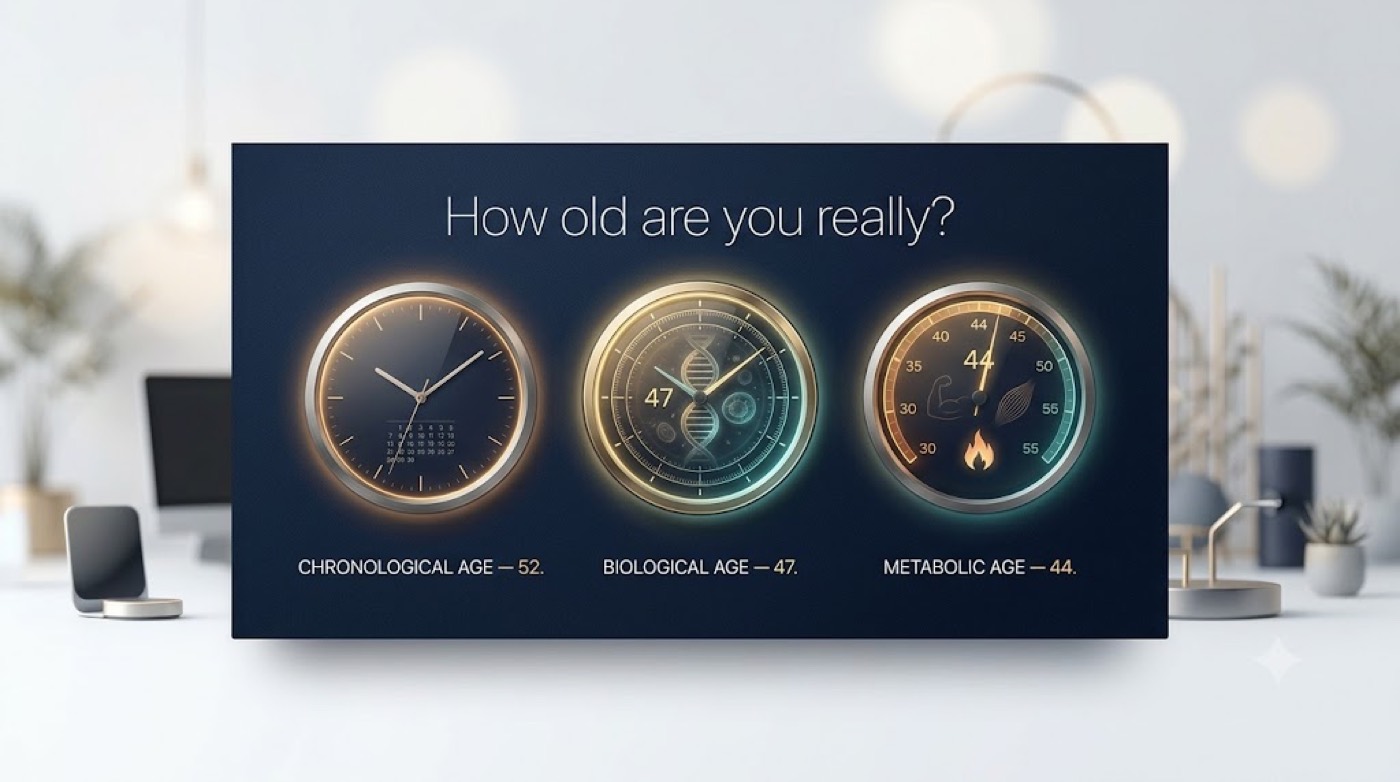
Figure 1. How Old Are You Really? Three different questions, three different instruments. Chronological age is a fact; biological and metabolic age are measurements, and the gap between them is where longevity planning lives.
The candles count one thing well: the laps you have taken around the sun. They say nothing about whether your heart is running like a 45-year-old's or a 60-year-old's, whether your immune system is keeping pace with your tennis schedule, or whether the executive who out-negotiates you across the table is quietly out-aging you too. Two people born the same week can look — and function — a decade apart, and we have all seen the high-school-reunion proof.
Science now has language and instruments for that gap. There are three distinct "ages" worth knowing, each measured in a completely different way:
- Chronological age — time since birth. The reference baseline. A fact.
- Biological age — the physiological condition of your cells, organs, and systems, read from epigenetic, proteomic, or multi-biomarker data. A measurement.
- Metabolic age — how efficiently your body manages and burns energy, inferred from body composition, resting metabolism, fitness, and glucose dynamics. Also a measurement.
This article is written for the skeptic, biohacker and the longevity practitioner looking to optimize their own health: the founder turning 48 who has heard "biological age" at a dinner party and wants to know what is real; the cardiologist's patient rebuilding after a knee replacement; the 67-year-old who has watched friends decline and refuses to. It is a guide to what these tests measure, which survive scientific scrutiny, and how artificial intelligence is turning a pile of numbers into a personal plan — early enough to matter.
1. Chronological Age: The Honest Baseline
Chronological age is the easiest number in medicine and, paradoxically, one of the most powerful predictors of disease, which is exactly its weakness. It is a population average masquerading as a personal forecast. Actuarial tables tell an insurer what a typical 60-year-old's mortality risk is; they tell you almost nothing, because the variance hidden inside that single year is enormous. Two people who are 60 can differ by 20 biological years.
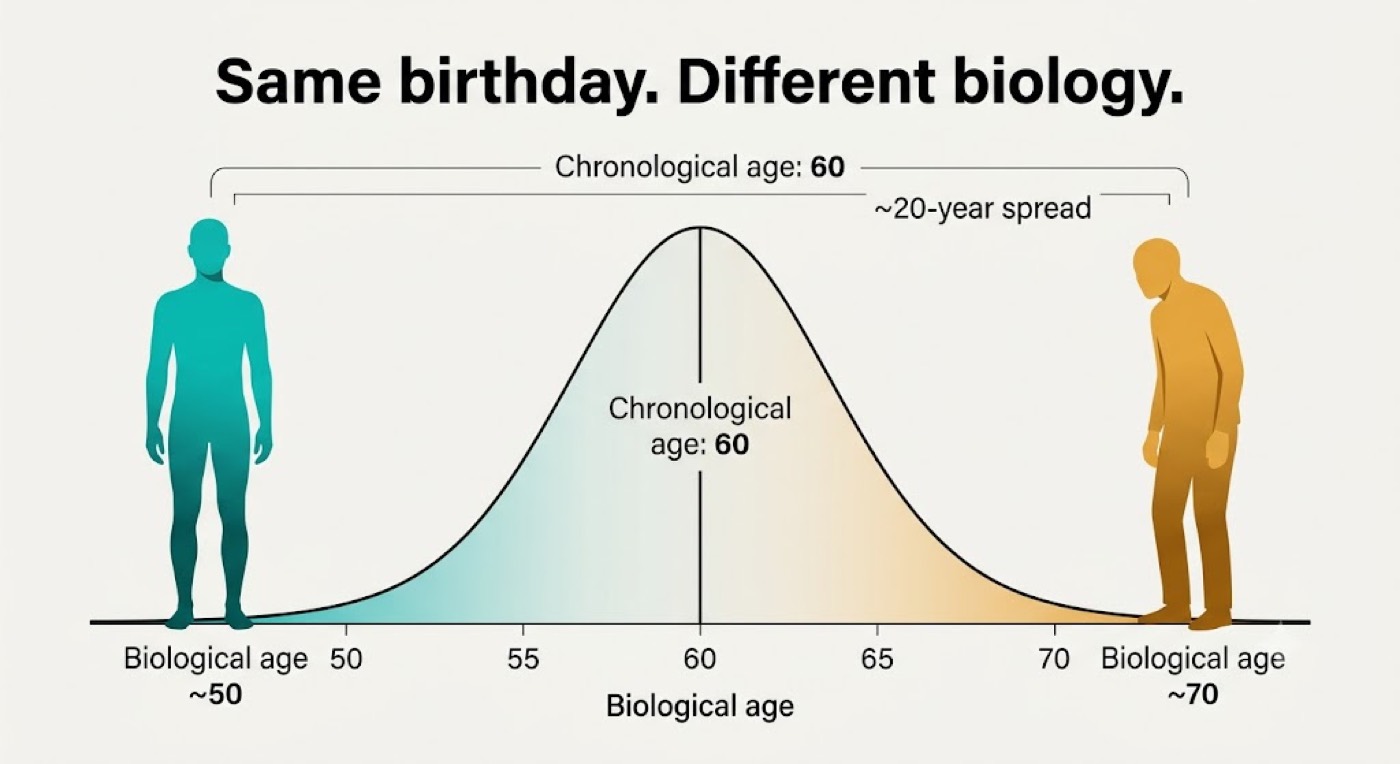
Figure 2. One Birth Year, Two Decades of Variance. Chronological age is a population average. Inside a single birth year, biological age can vary by two decades — the exact variance that every aging-biomarker test is built to reveal.
The entire field of aging biomarkers exists to resolve that variance. As the researchers behind the largest open competition in the field put it, chronological age alone cannot capture the heterogeneity in how individuals age.[1] It is the X-axis against which every other clock is plotted — indispensable, but only as a starting line.
2. Biological Age: The Clocks Inside Your Cells
Epigenetic clocks — reading the chemical annotations on your DNA
Your genome is hardware; your epigenome is software. The dominant mechanism is DNA methylation — methyl groups that attach to specific sites (CpGs) and act as dimmer switches on gene activity. As you age, the pattern drifts in predictable ways, and machine learning can read the drift as a clock.
In 2013, UCLA's Steve Horvath built the first pan-tissue version, estimating biological age from methylation at 353 CpG sites across tissues from prenatal samples to centenarians.[2] The Hannum clock followed, using 71 CpGs optimized for blood.[3] These first-generation clocks were trained to predict chronological age — clever, but circular: a clock that only predicts the number you already know has limited clinical value.
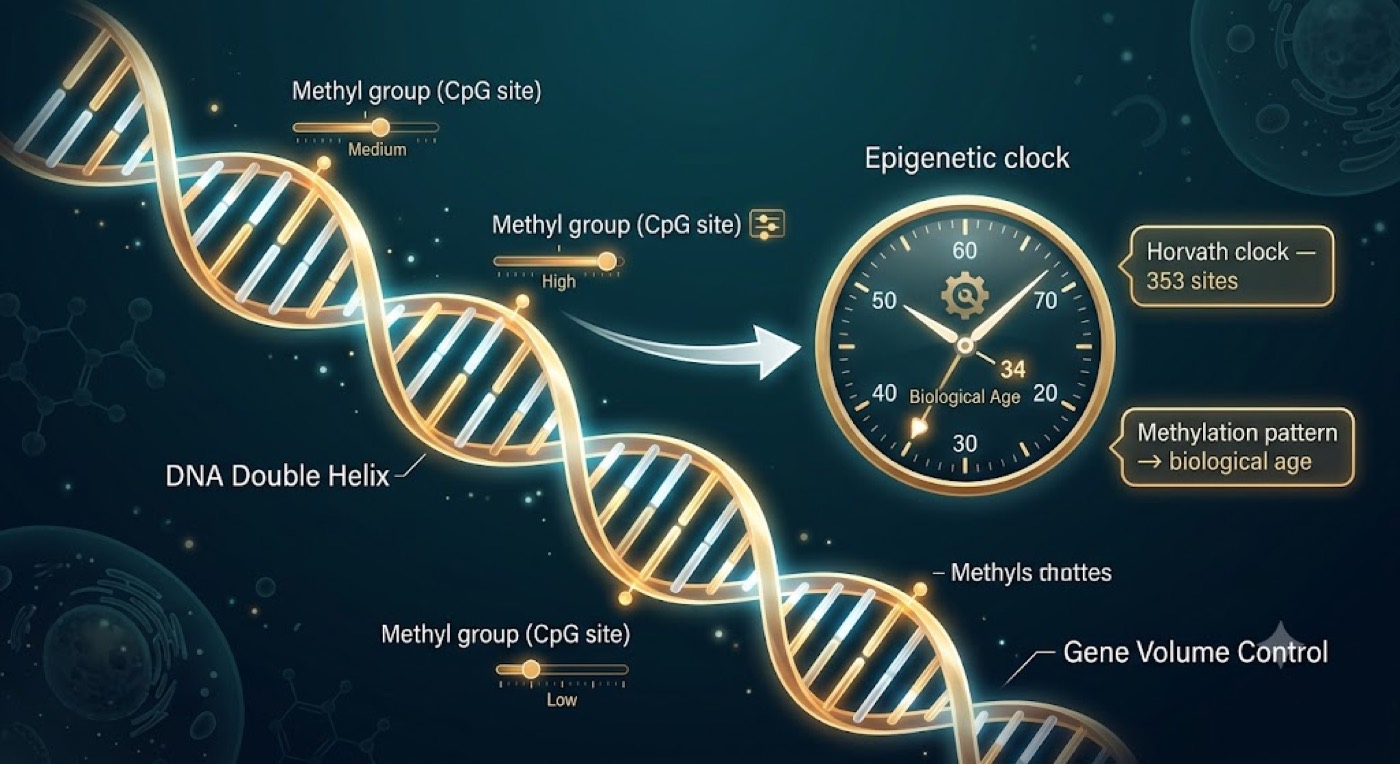
Figure 3. Your Genome Is Hardware; Methylation Is Software. Your genes are hardware; methylation is the software. As the on/off pattern drifts with age, machine-learning "clocks" such as Horvath's read that drift as a biological age.
The next generation aimed at health rather than the calendar. Morgan Levine's PhenoAge (513 CpGs) was trained on clinical biomarkers to predict mortality and phenotypic aging;[4] GrimAge (~1,030 CpGs plus methylation surrogates for smoking and inflammation) became one of the strongest methylation predictors of lifespan and healthspan.[5] The question sharpened from "how many candles?" to "how worn is the machine?"
The speedometer: DunedinPACE
The most conceptually distinct tool came from Daniel Belsky at the Columbia Aging Center, working with Duke and the University of Otago. Most clocks give you an odometer reading — a cumulative age. DunedinPACE (Pace of Aging Calculated from the Epigenome) gives you a speedometer. As Belsky has explained, other tests estimate how old you are, while his test estimates whether you are "aging quickly or slowly" right now.[6]
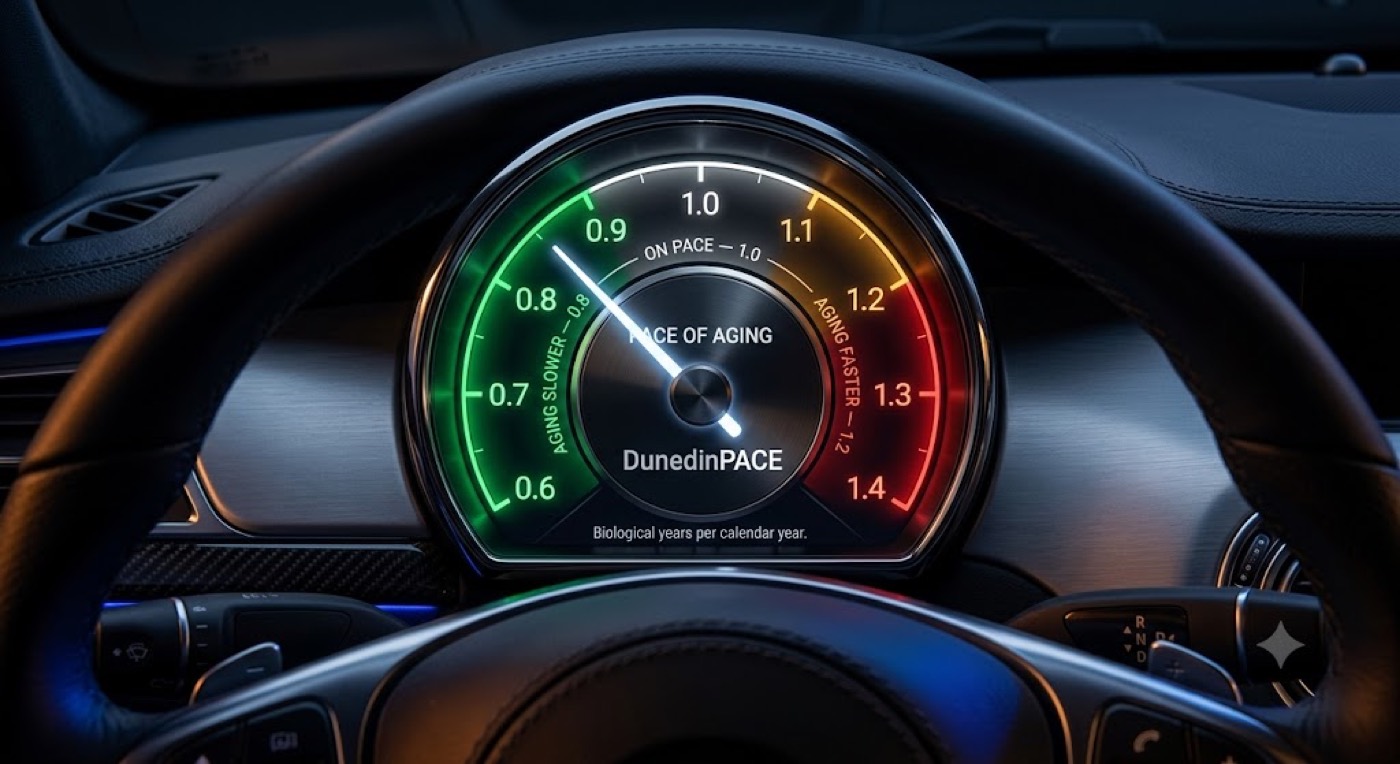
Figure 4. Odometer vs. Speedometer: DunedinPACE. Most clocks are odometers — they read cumulative age. DunedinPACE is a speedometer: a score of 1.2 means your body is aging 20% faster than the calendar, today.
It was built the hard way. Researchers tracked 19 biomarkers of organ-system integrity in the 1,037-member Dunedin birth cohort — all born in 1972–73, measured at ages 26, 32, 38, and 45 — modeled each person's two-decade rate of decline, then distilled it into a single blood-test score.[7] Because everyone is the same chronological age, the measure sidesteps the survival and generational biases that distort older-versus-younger comparisons. It has since been validated in more than 65 cohorts across 17 countries.[8] A result of 1.0 means one biological year per calendar year; 1.2 means you are running 20% fast.
The proteome: organ-by-organ aging from a single blood draw
Methylation reads the genome's annotations. Proteomics reads what the body is actually producing. Stanford's Tony Wyss-Coray pioneered the idea that the thousands of proteins in plasma — many traceable to specific organs — can date each organ separately. His 2023 Nature paper estimated the biological age of 11 organs across 5,676 adults: roughly one in five people had at least one strongly accelerated organ, accelerated aging carried a 20–50% higher mortality risk, and an aged heart predicted a 250% higher risk of heart failure.[9]
The 2025 Nature Medicine follow-up scaled to 44,498 UK Biobank participants and 2,916 proteins, and reframed the whole conversation: "The brain is the gatekeeper of longevity," Wyss-Coray said.[10]
An extremely aged brain raised Alzheimer's risk by a hazard ratio of 3.1 — comparable to carrying one copy of APOE4, the strongest common genetic risk factor — while a youthful brain was as protective as two copies of APOE2. Brain age was the single best predictor of overall mortality: extremely aged brains carried a 182% higher risk of death over ~15 years; extremely youthful brains, a 40% reduction.[11] A 2025 extension estimated the age of more than 40 cell types from 7,000+ proteins in 60,542 people.[12] Wyss-Coray frames the promise as a shift from sick care toward health care: assess an organ's age today, predict the disease tied to it years before symptoms appear.[13]
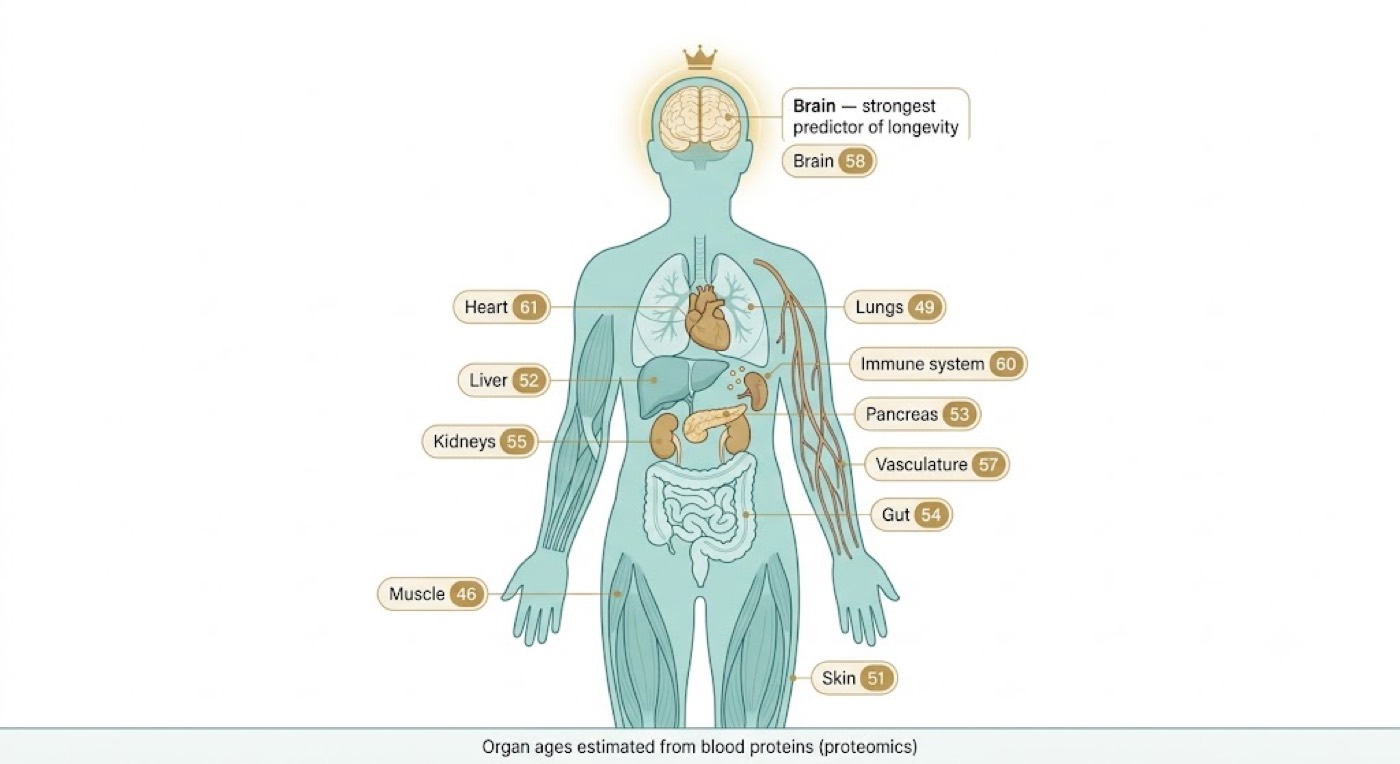
Figure 5. One Blood Draw, Eleven Organ Ages. From one blood draw, proteomic clocks can date 11 organs separately. In the largest study to date, brain age was the single best predictor of how long you'll live — Tony Wyss-Coray's "gatekeeper of longevity."
From lab to red carpet: what "Thor" learned about his brain. The abstraction becomes concrete in the case of Chris Hemsworth. Filming the 2022 longevity docuseries Limitless — with longevity physician Peter Attia consulting — Hemsworth took a genetic test and discovered he carries two copies of APOE4, one from each parent, a status shared by only about 2–3% of people and one that markedly raises lifetime Alzheimer's risk.[14] It is the genetic mirror image of Wyss-Coray's "aged brain" finding. Crucially, Hemsworth did not treat it as a verdict. He called it a wake-up call, reshaped his sleep, stress, training, and family time, and briefly stepped back from acting; Attia reframed the result as a near-blessing because it would motivate him to act on risks in his 40s that most people ignore until their 60s.[15] That is the entire thesis of measuring biological age in one celebrity anecdote: a number is not a sentence — it is an early, actionable signal.
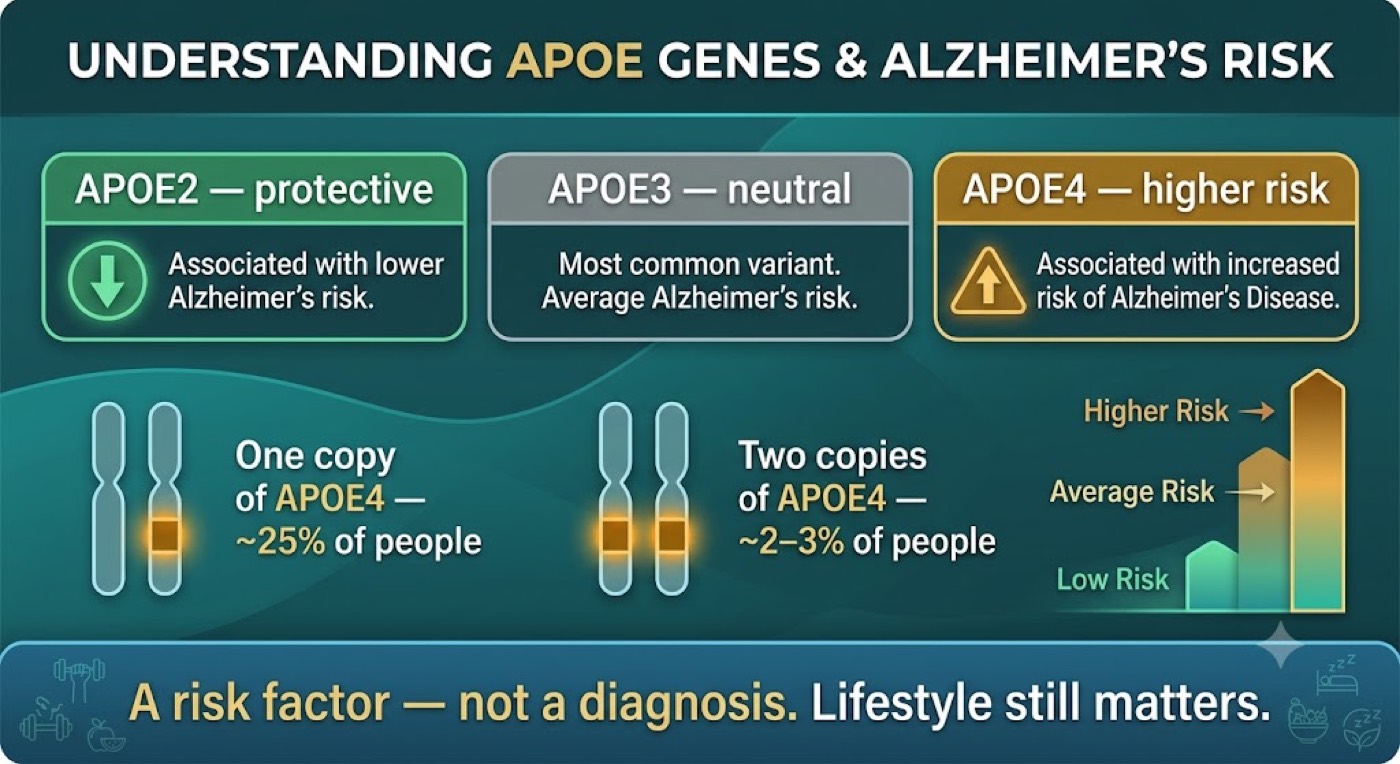
Figure 6. A Number Isn't a Verdict: Thor's APOE4. When "Thor" tested his genes on the docuseries Limitless, he learned he carries two copies of APOE4 — shared by just 2–3% of people. As his longevity doctor framed it: a wake-up call, not a verdict.
The validation problem — read this before you spend a dollar
There are now dozens of clocks, and they do not always agree. A 2024 consensus paper in Nature Medicine from the Biomarkers of Aging Consortium — an author list that reads like a who's who of the field, including Mahdi Moqri and Vadim Gladyshev of Harvard Medical School, Steve Horvath, Luigi Ferrucci of the National Institute on Aging, Sara Hägg of Karolinska Institutet, Eric Verdin of the Buck Institute, Nir Barzilai of Albert Einstein College of Medicine, and Andrea Maier of the National University of Singapore — set out how aging biomarkers must be validated before they reach the clinic.[16] The consortium also runs open prediction challenges with cash prizes, stress-testing clocks against hard endpoints like mortality and multimorbidity, precisely because cross-cohort reproducibility has been inconsistent.[17]
Commenting on the organ-aging work, Ferrucci called it a landmark step toward translation, noting that its specificity and predictive value appear to exceed those of some biomarkers already in clinical use.[18] The right posture for a buyer follows directly: any single biological-age number, from any single vendor, is a data point — not a diagnosis. The value lives in the trend, measured the same way over time. Hold that principle; the rest of this guide depends on it.
3. Metabolic Age: The Most Actionable of the Three
If biological age is the deepest measurement, metabolic age is the most immediately useful. In its common commercial form — popularized by body-composition analyzers such as InBody — it compares your basal metabolic rate (BMR), the calories you burn at complete rest, to the average BMR for your chronological age group.[19] A 47-year-old's BMR in a 32-year-old's body yields a metabolic age of 47.
BMR is driven overwhelmingly by lean mass — muscle is metabolically expensive, fat is nearly inert at rest — so metabolic age is, in practice, a proxy for the muscle-to-fat trajectory you have been on, and that trajectory is one of the strongest modifiable predictors of late-life function. It is also refreshingly honest about its limits: as Cedars-Sinai sports-medicine physician Natasha Trentacosta notes, "metabolic age" is largely a fitness-industry term, and BMR cannot stand alone as a measure of health.[20] Treat the single number as a dashboard, not a verdict.
The richer metabolic picture comes from the measurements clinicians actually track:
- Body composition (bioimpedance or DEXA) — lean mass, fat mass, visceral fat.
- Insulin resistance via HOMA-IR or the METS-IR score, from fasting glucose and insulin.
- Cardiorespiratory fitness (VO2 max) — the oxygen you can use under maximal effort, and a quiet metabolic tell: in at-risk adults, VO2 max is inversely correlated with insulin resistance (r ≈ −0.30), so a low fitness score is often an early metabolic warning, not just an athletic one.[21]
- Continuous glucose and wearables, which turn an annual snapshot into a live signal of how your metabolism responds to real meals, workouts, and sleep.
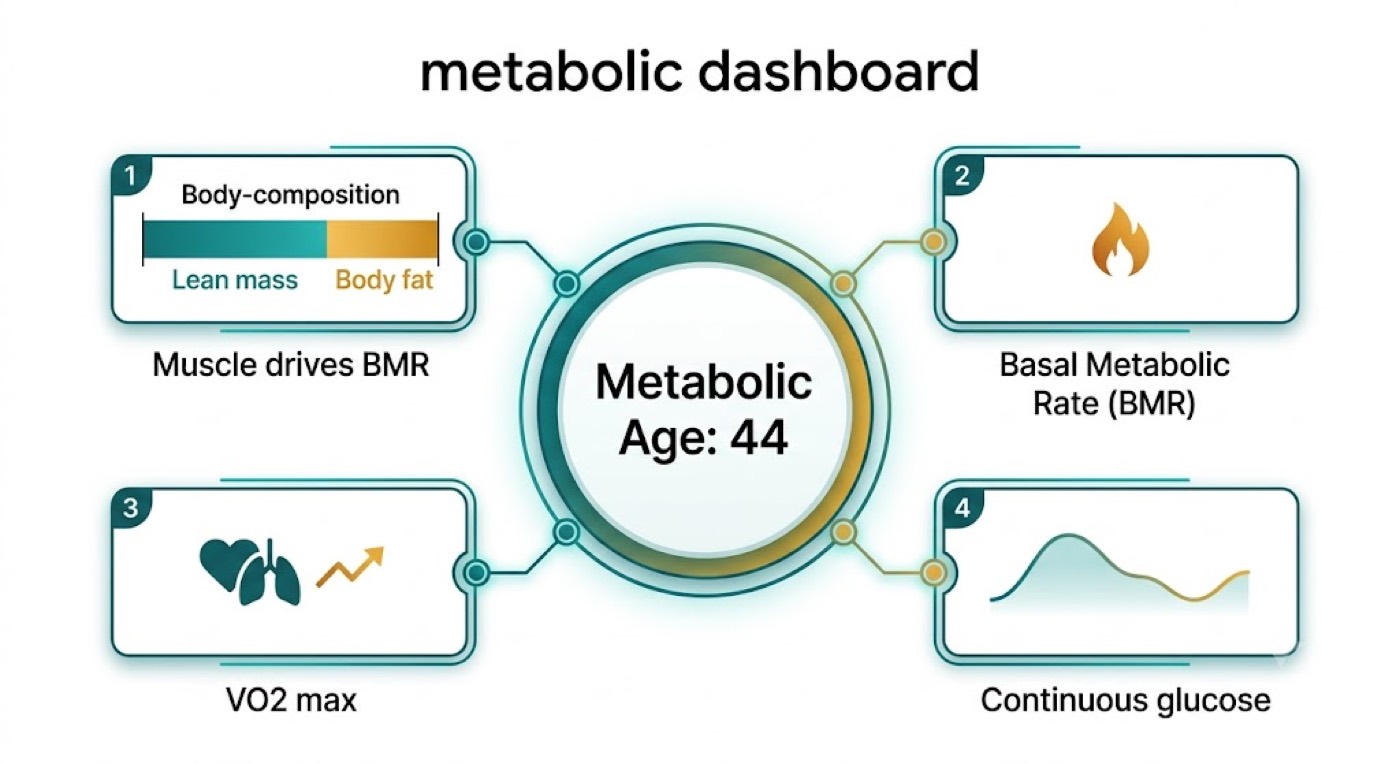
Figure 7. Metabolic Age: The Fastest Lever. Metabolic age compares your resting metabolism to your age group — but the full picture comes from body composition, VO2 max, and glucose. It is the age at which you can move fastest.
Of the three ages, this is the one you can move fastest — and movement here tends to drag the biological-age clocks in the right direction too, which is why a serious plan starts with metabolic levers.
4. The Three Ages, Side by Side
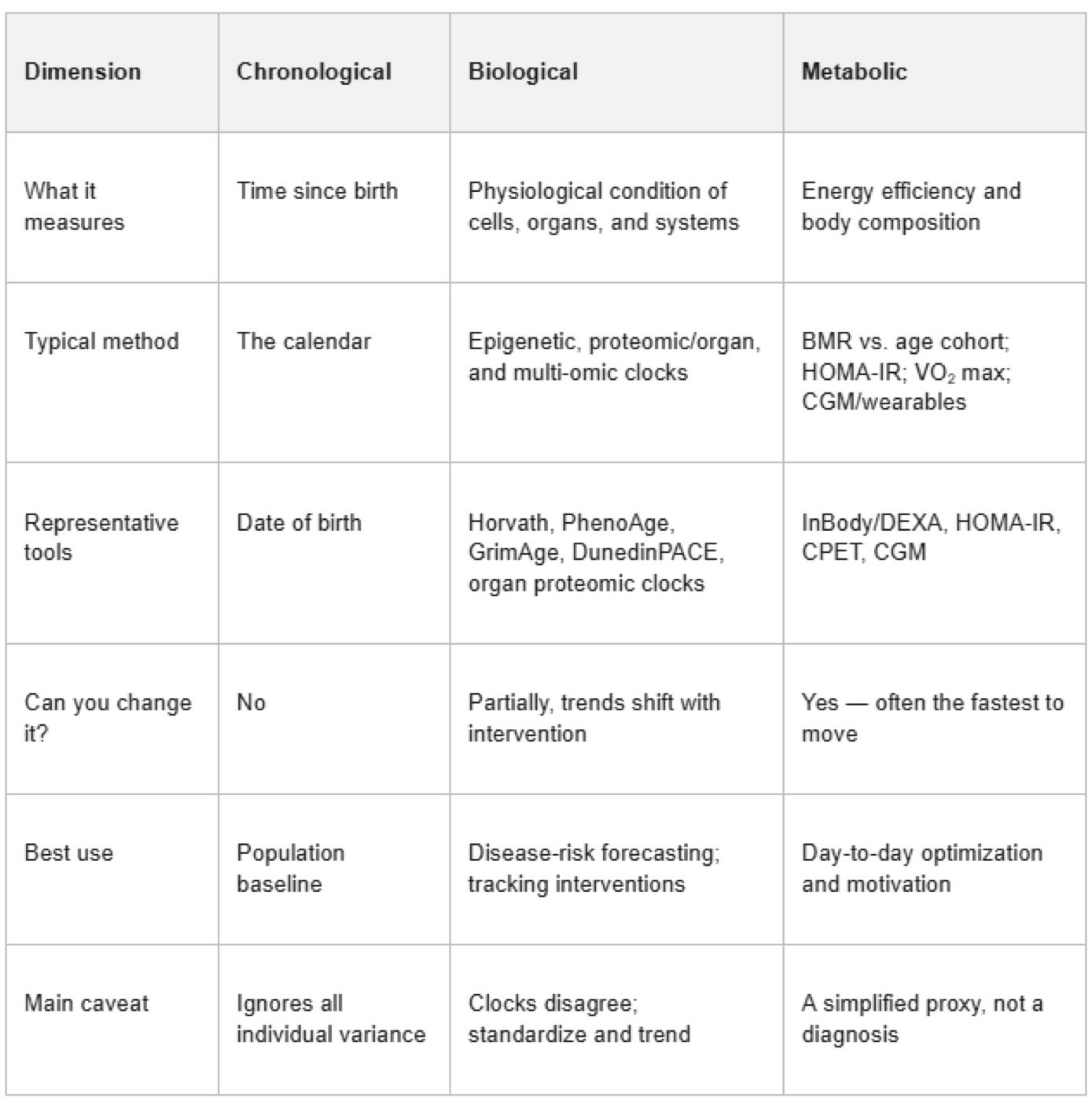
Figure 8. The Three Ages, Side by Side. What each age measures, how it is measured, whether you can change it — and the main caveat for each.
The three are complementary, not competing. Chronological age sets the expectation; biological age tells you whether you are beating it; metabolic age tells you which lever to pull this quarter. The interesting work begins when you stop reading these numbers in isolation and start connecting them — which is what the rest of this guide is about.
5. From Data to Decisions: How AI Personalizes the Plan
A biological-age report that sits in a PDF changes nothing. The genuine advance of the last five years is that artificial intelligence has begun to connect measurement to decision, and the first thing it reveals is that there is no single way to age.
Your "ageotype": there are types, and yours is knowable
Stanford's Michael Snyder profiled 106 healthy people aged 29–75 across transcripts, proteins, metabolites, cytokines, microbes, and labs, and identified distinct ageotypes — metabolic agers, immune agers, hepatic and renal agers — with insulin-resistant individuals showing accelerated inflammatory and metabolic patterns.[22] Two people aging "fast" can be aging fast in entirely different systems, and therefore need entirely different plans. Characteristically, Snyder enrolled himself and reported, with some disappointment, that he was "aging at a pretty average rate."[23] The point for everyone else: your dominant aging pathway is identifiable, and it should dictate where you spend effort and money.
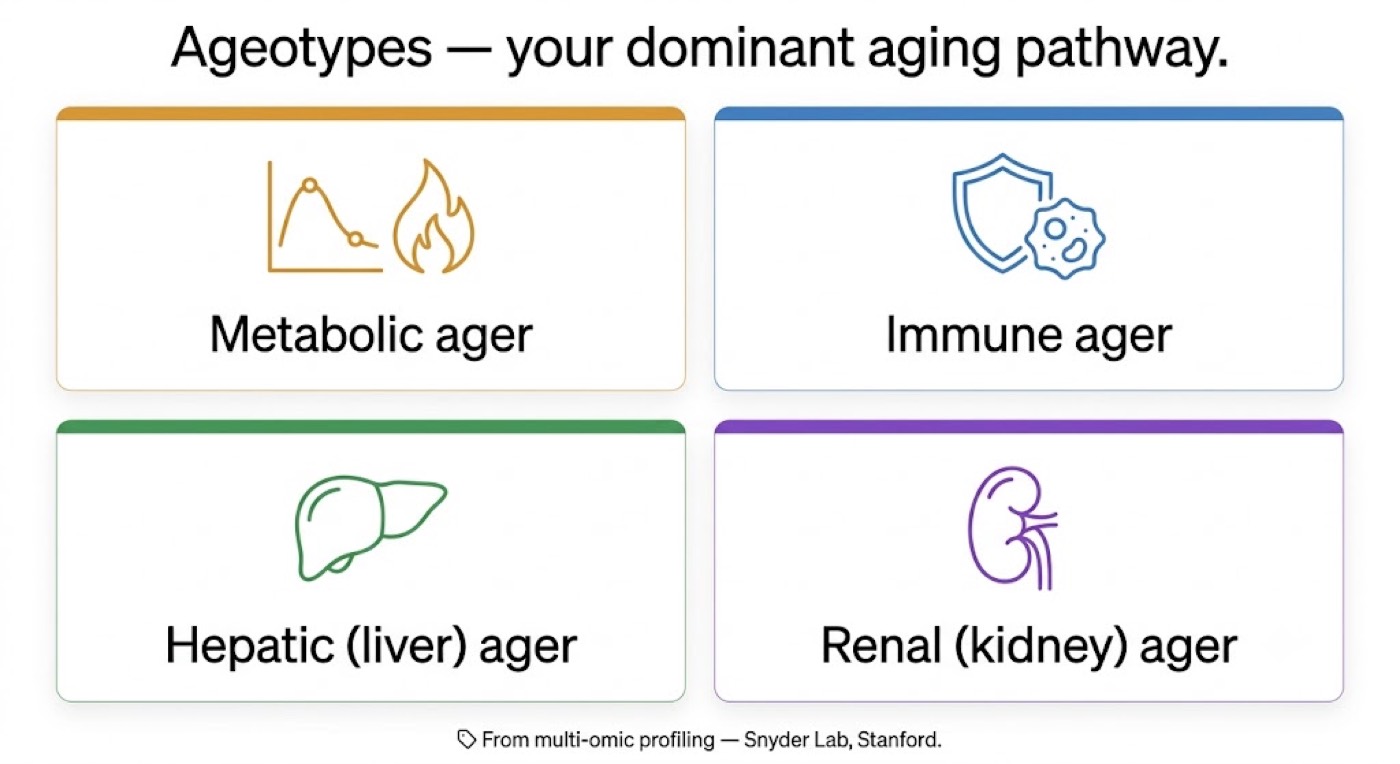
Figure 9. Same Speed, Different Systems: Your Ageotype. Two people aging "fast" may be aging in completely different systems. Identifying your dominant ageotype is what tells you where to spend effort — and money.
Genetics: why the same intervention works for one person and not another
Knowing your ageotype tells you where to intervene; genetics often tells you what will actually work. Twin studies estimate that 60–90% of the variation in how the body metabolizes drugs via the cytochrome P450 system is heritable, yet conventional pharmacogenomic tests explain only 30–50% of the observed response variability.[24] Two people can take the identical compound at the identical dose and respond very differently, for reasons written in their DNA — the same lesson Hemsworth's APOE4 result delivered, generalized.
This matters acutely for Peptide Therapy, where the response hinges on individual variation in growth hormone signaling, inflammatory pathways, collagen synthesis, and receptor genetics. A genomic assessment — the foundational layer that companies such as The Genomics Company aim to provide — turns a generic protocol into a personalized one. Layered onto an individual's biomarkers and response history, that genetic foundation is the conceptual basis of a Digital Twin for Predictive Peptide Performance™: a model that predicts which peptides are likely to help, and at what dose, before the first injection rather than after months of trial and error. This science is younger than the epigenetic clock literature and warrants the same skepticism, but the underlying pharmacogenomic principle is well established.
Fusing the signals — and turning measurement into medicine
The frontier is reconciling all of it — epigenetic clocks, proteomic organ ages, glucose, sleep, heart rate variability, VO2 kinetics, strength, gait — into a single coherent model of a person. This is where the sensor layer (the wearables and labs that capture multi-modal health data) meets the intelligence layer (the models that interpret it). The promise of predictive modeling is to forecast an individual's trajectory and simulate an intervention before committing to it — a flight simulator for the body. Applied to the oxygen-delivery system that VO2 max measures, that idea becomes a Cardiorespiratory Digital Twin™ — fitting, since oxygen capacity remains one of the strongest single predictors of how long and how well you will live.
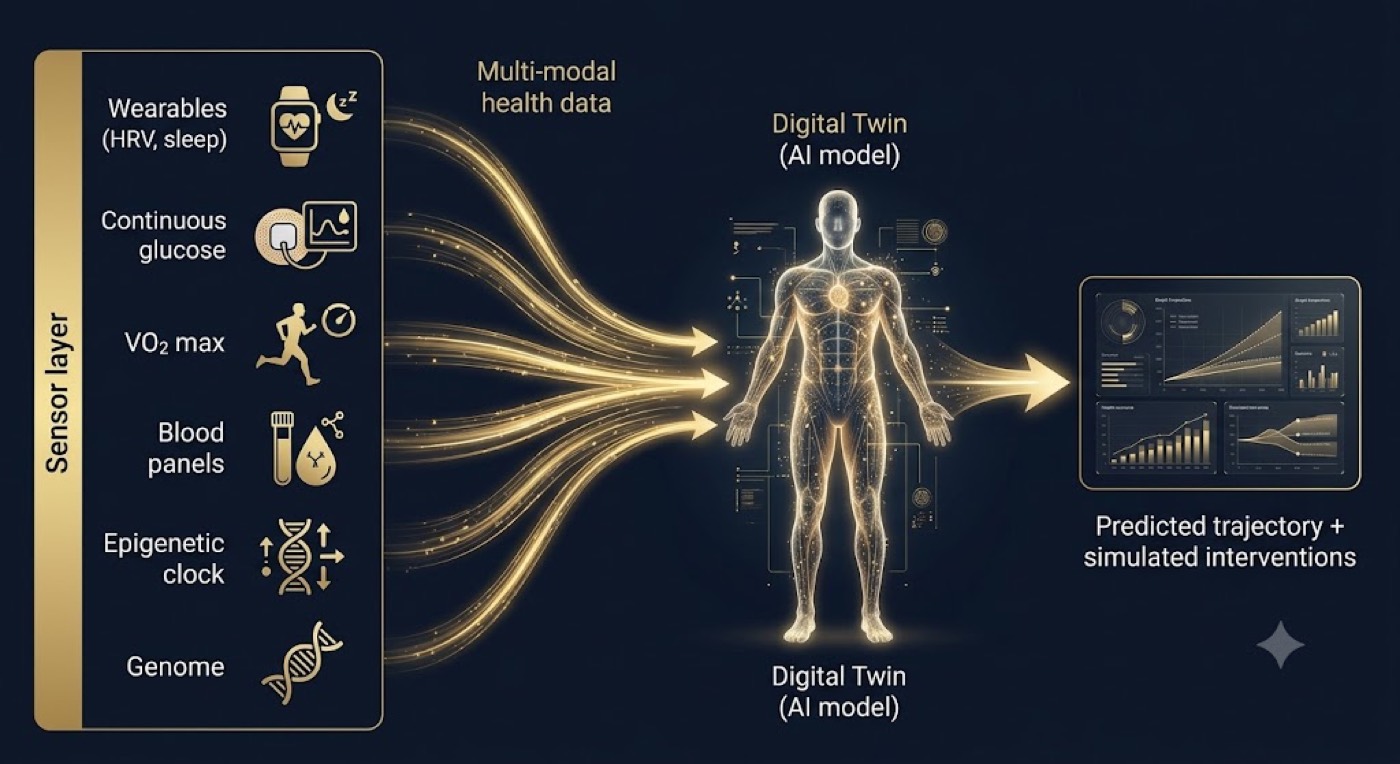
Figure 10. Fusing the Signals Into a Digital Twin. The frontier is fusion: epigenetic clocks, organ ages, glucose, sleep, and genetics flowing into one AI model of you — a digital twin that can simulate an intervention before you commit to it.
The same loop is already producing therapies. Insilico Medicine, a publicly traded biotech, built an AI aging clock not to print a number but to find drug targets; founder Alex Zhavoronkov describes the goal as a clock that connects aging and disease at the intersection to actionable therapeutic targets.[25] That pipeline produced rentosertib, the first molecule with both target and design generated by AI to reach a peer-reviewed Phase 2a result — a 71-patient trial in Nature Medicine showing improved lung function in idiopathic pulmonary fibrosis.[26] Whatever one thinks of any single drug, the template is the future: measurement → AI inference → intervention.
6. The Field Grows Up: Why Measurement Is the Unlock
For years, the fair critique of longevity medicine was that it featured a lot of selling and little evidence. That is changing, driven by the same measurement rigor this guide is about. The clearest signal is XPRIZE Healthspan — a $101 million, seven-year competition challenging teams to restore muscle, cognitive, and immune function by at least 10 years (goal: 20) in adults aged 50–80, verified in randomized clinical trials, with the grand prize awarded in 2030.[27] GSK joined as the official pharmaceutical-industry partner; the University of Utah serves as the data-coordinating center.
Executive director Jamie Justice, who left a tenure-track post to run it, names the problem precisely: there is, she has said, a "booming market for slowing aging" with no reliable way to tell whether the treatments work.[28] The competition's premise — that you cannot manage what you cannot measure — forces therapies into trials with validated biomarkers and functional endpoints. The motivating backdrop: in the U.S. there is roughly a 12-year gap between life expectancy and healthy life expectancy.[29] Closing it is the entire reason to measure these three ages at all.
7. Age Guide and Protocol
The consumer market has matured from novelty into genuine infrastructure. Here is how the major categories compare.
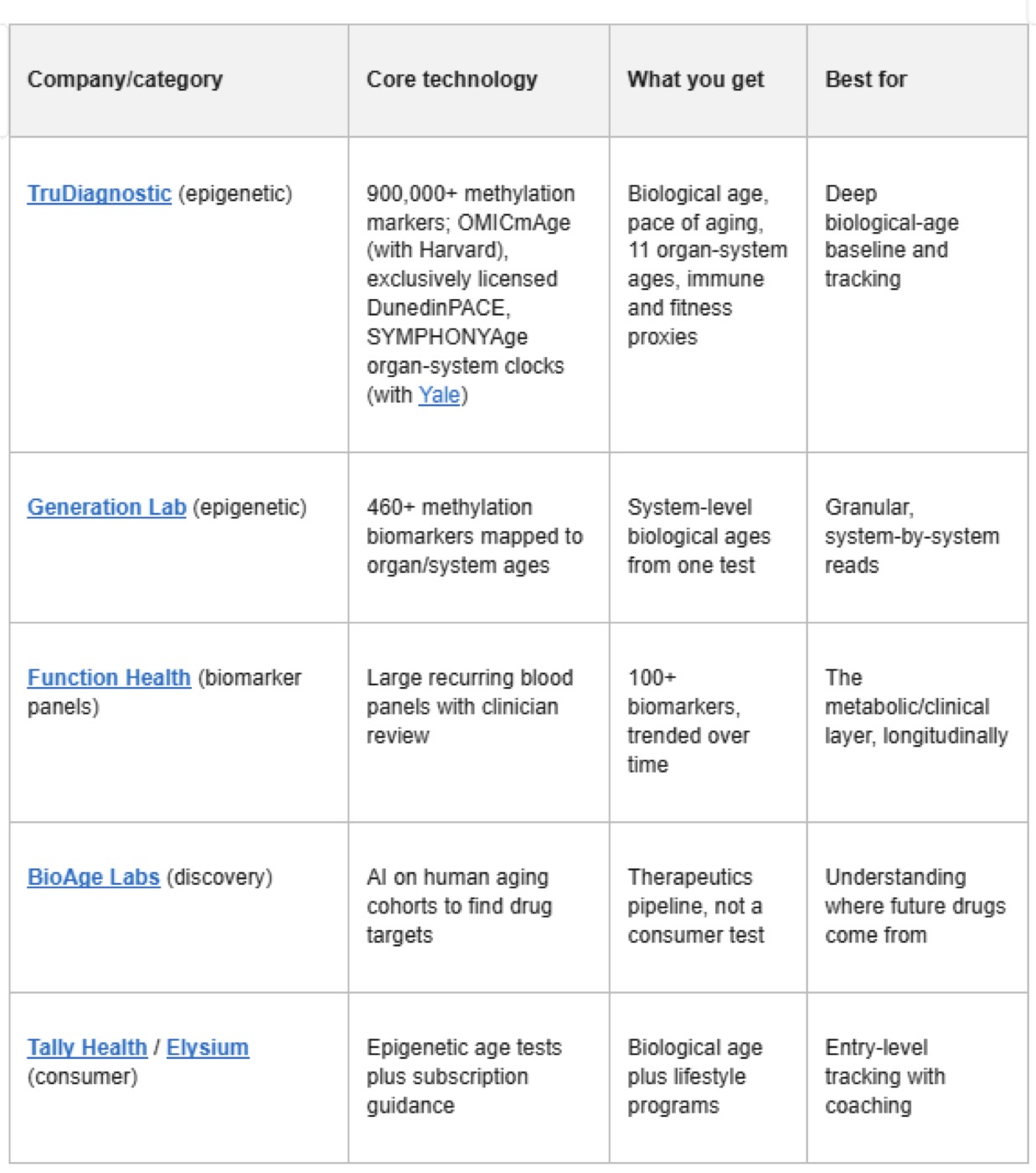
Figure 11. The Consumer Market, by Category. Epigenetic clocks, biomarker panels, discovery platforms, and consumer test-plus-coaching bundles — and what each is best for.
Around these sit integrators — Superpower, Lifeforce, Function Health, and clinic-style programs — that bundle panels, interpretation, and follow-up into one relationship. For most skeptical buyers, the right architecture is layered: a deep biological-age baseline (epigenetic, increasingly proteomic) roughly annually; a metabolic and clinical layer (panels, body composition, VO2 max) quarterly to twice a year; and a continuous layer (wearables, CGM when indicated) running underneath. That same stack scales to an organization: a Corporate Wellness Program built on biological-age and metabolic baselines — rather than step counts — gives an employer a defensible way to extend the productive years of its most valuable people, an increasingly competitive question as senior talent works longer.
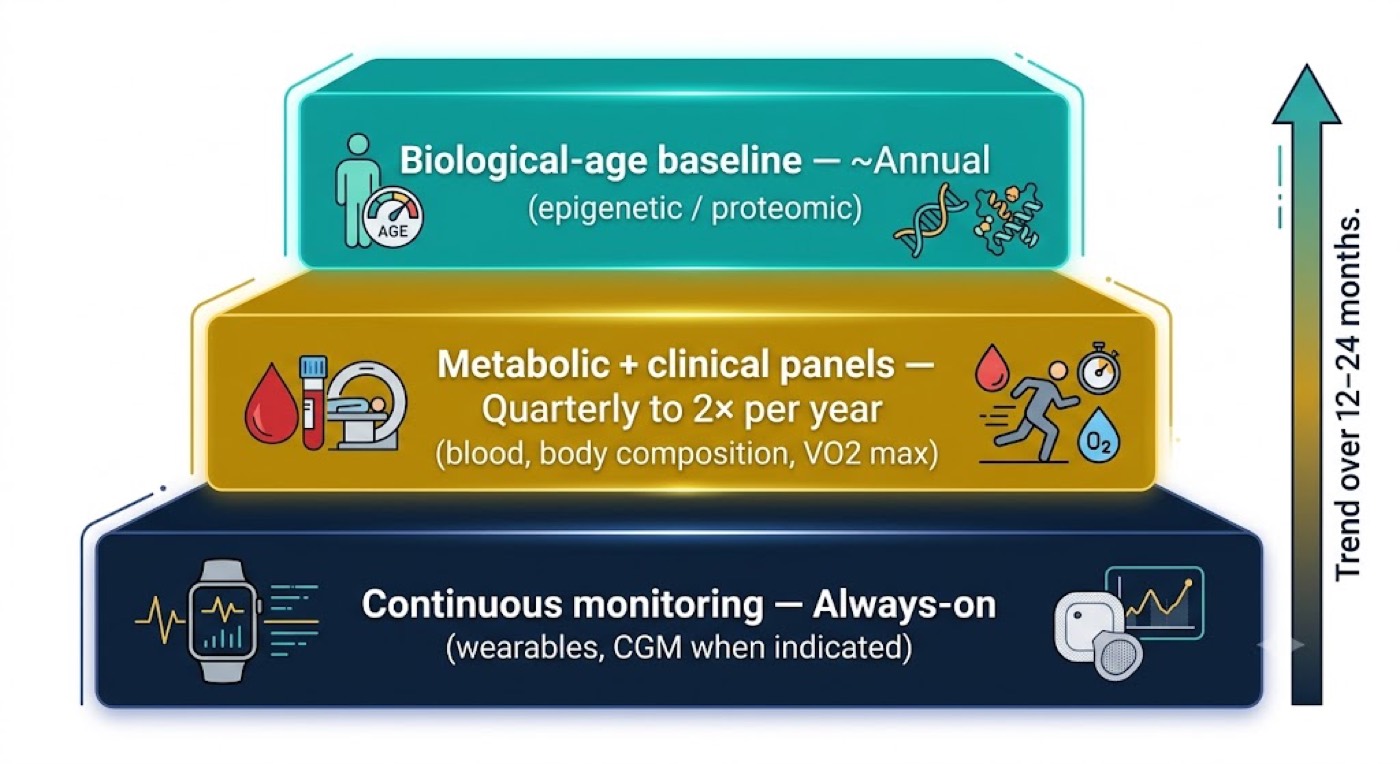
Figure 12. Build the Trend, Not the Snapshot. One test is a data point; the same three-layer trend for two years is a signal. This is the architecture a skeptical buyer should build — and the foundation of any credible plan.
How to actually begin — the logic a good Coach / Practitioner applies with any Athlete / Patient:
- Baseline all three ages. One epigenetic test (biological); one comprehensive panel plus body composition and a real VO2 max test (metabolic); against your known chronological age.
- Use a pace measure as your speedometer. A DunedinPACE-style score tells you whether interventions are working faster than any odometer clock can.
- Pull the metabolic levers first. Lean mass, VO2 max, and glucose control are the fastest-moving and best-evidenced.
- Personalize before you optimize. Your ageotype and genetics decide which interventions pay off — spend on the assessment before the protocol. This is the spine of any credible Peptide Longevity Plan™.
- Stay skeptical of single numbers. Anyone selling a verdict from one test is overselling. The science is real; the certainty is not.
Conclusion: From Counting Candles to Reading the Machine
Chronological age will always be the simplest number on the cake, and the least useful. Biological age — read through epigenetic clocks, proteomic organ ages, and a hardening consensus on how to validate them — tells you how worn the machine is. Metabolic age tells you how efficiently it runs and hands you the fastest levers to change it. None is a crystal ball, and the credible voices in this field are the ones who say so.
But measured carefully, standardized, trended, personalized to your ageotype and genetics, and increasingly interpreted by AI that connects data to decisions, the three ages turn aging from something that happens to you into something you can observe, model, and influence. Chris Hemsworth got a number that frightened him and used it to change his life a decade early. That is the opportunity now on the table for anyone willing to measure first and plan accordingly — the people most likely, in the end, to spend their extra decades well.
Sign Up for FREE Daily Longevity Club Workshops
Sign Up for Affiliate Program (Pays 20%)
Subscribe to the Longevity & Peptide Optimization Newsletter
About the Authors
Tony Medrano is CEO and co-founder of LongevityPlan.AI, a platform that integrates performance and health data from athletes and leverages proprietary Digital Twin for Predictive Peptide Performance™ technology, wearable data, and biomarker data to deliver personalized performance optimization and longevity recommendations to athletes, coaches, organizations, businesses, government, and the military. In addition to being a 3x technology/AI company CEO with 2 successful exits, Tony has completed 3 Full Ironman Triathlons (140.6 mi) since 2019. He has degrees from Harvard University, Columbia University, and a JD/MBA from Stanford University.
Tony has been involved with AI and molecular diagnostic start-ups for 10 years, and also worked with the US Olympic Team, National Basketball Association (NBA), National Football League (NFL), Major League Baseball (MLB), Iditarod, FBI, NASA, U.S. Department of Health and Human Services (HHS), Google, Microsoft, Netflix, Bridgewater Associates, ConocoPhillips, British Petroleum, One Medical, and Jenny Craig, Inc. to provide technology, artificial intelligence and/or molecular diagnostics solutions to their employees.
One of Tony's prior companies provided Conversational AI to health, fitness, and wellness companies; another delivered access to digital libraries of British Petroleum for oil discovery; and his first was a mobile app platform funded by Softbank, which resulted in a case study published by Stanford University Press and was taught in multiple MBA programs for a decade. Tony loves to teach and mentor; he earned public school teaching credentials in NY and MA and taught inner-city high school students to give back to the underprivileged community in Harlem. He also lectured on entrepreneurship and venture capital to second-year MBA students at Stanford Business School for five years. He co-authored one of the first issued patents for mobile applications. Tony also served as a US Navy Officer commanding an emergency response team on a USN Destroyer. Tony's military-to-CEO career has recently been chosen to air on an episode of "Operation CEO," a documentary by InsideSuccess.TV, which will air on AppleTV, Prime Video & Amazon MGM Studios, YouTubeTV, and other major platforms worldwide in 2026.
Tony's Chronological Age is 55, his Metabolic Age is 41, and his Biological Age is 28. He is using a 12-peptide protocol from LongevityPlan.AI that leverages his AI-powered Digital Twin and is currently training for his 4th Ironman Triathlon.
Kevin D. Friend, M.D.
Dr. Kevin Friend is a board-certified emergency medicine physician with more than 25 years of frontline clinical experience across academic, community, trauma, and pre-hospital settings. He earned his B.A. cum laude in Biological Anthropology from Harvard University and his M.D. from New York University School of Medicine, then completed his residency in Emergency Medicine at the University of Pittsburgh Affiliated Residency. He has held a Diplomate of the American Board of Emergency Medicine since 2000 and serves as Clinical Assistant Professor in the Department of Emergency Medicine at the University of Pittsburgh.
Dr. Friend currently practices at St. Clair Hospital in Pittsburgh and previously served as an emergency physician at the Veterans Health Administration Hospital and multiple UPMC facilities, including Shadyside, Passavant, South Side, and East. His earlier work as a STAT MedEvac flight physician and as Medical Director of Guardian Angel Ambulance grounds his clinical perspective in acute resuscitation, triage under uncertainty, and rapid risk stratification — skills directly relevant to evaluating interventions intended to extend healthspan. He maintains active medical licensure in Pennsylvania, California, Florida, and Hawaii, and has served continuously as a Medical Command Physician for the City of Pittsburgh since 1997.
Dr. Friend's published work spans pre-hospital care, EMS data quality, orthopedic trauma, and the physiology of burn injury, with peer-reviewed articles in Prehospital Emergency Care, the Journal of Orthopaedic Trauma, and Methods and Findings in Experimental and Clinical Pharmacology. His ongoing engagement with wilderness, dive, travel, and high-altitude medicine — through field conferences from Antarctica to Nepal — reflects a long-standing interest in human physiological resilience under environmental stress. As a Medical Advisor to LongevityPlan.AI, he brings rigorous, evidence-based judgment, broad clinical breadth, and a systems-level view of acute and preventive care to the company's mission to extend healthy human lifespan.
His medical expertise includes advanced training in Wilderness Medicine and Underwater Medicine, reflecting a lifelong commitment to health, performance, and safety in demanding environments. A former nationally ranked high school baseball player who went on to play JV baseball at Harvard and club football while attending NYU Medical School, he has remained an active endurance and outdoor athlete. Today, he continues to pursue scuba diving, mountain biking, hiking, and trekking with the same curiosity and discipline that inform his medical practice.
Endnotes
- Moqri, M. et al. "An open competition for biomarkers of aging." Nature Aging (2026). nature.com/articles/s43587-026-01139-6
- Horvath, S. "DNA methylation age of human tissues and cell types." Genome Biology 14, R115 (2013). Max Planck summary: age.mpg.de/what-is-the-epigenetic-clock
- Clock comparison describing Horvath (353 CpGs) and Hannum (71 CpGs). bioRxiv (2024). biorxiv.org/content/10.1101/2024.10.24.620090
- Levine, M. E. et al. "An epigenetic biomarker of aging for lifespan and healthspan" (PhenoAge). Aging 10:573–591 (2018).
- Lu, A. T. et al. "DNA methylation GrimAge strongly predicts lifespan and healthspan." Aging 11:303–327 (2019); GrimAge2, Aging 14 (2022).
- Belsky, D. W., quoted in "Epidemiologists Develop State-of-the-Art Tool for Measuring Pace of Aging," Columbia Mailman School of Public Health. publichealth.columbia.edu
- Belsky, D. W. et al. "DunedinPACE, a DNA methylation biomarker of the pace of aging." eLife 11:e73420 (2022). elifesciences.org/articles/73420
- DunedinPACE validation summary, Moffitt & Caspi Lab, Duke University. moffittcaspi.trinity.duke.edu/dunedinpace
- Oh, H. S., Rutledge, J. et al. (Wyss-Coray lab). "Organ aging signatures in the plasma proteome track health and disease." Nature 624:164–172 (2023). nature.com/articles/s41586-023-06802-1
- Wyss-Coray, T., quoted in "Plasma proteomics links brain and immune system aging with healthspan and longevity," Stanford Medicine News (July 9, 2025). med.stanford.edu/news
- Oh, H. S. et al. "Plasma proteomics links brain and immune system aging with healthspan and longevity." Nature Medicine 31:2703–2711 (2025). nature.com/articles/s41591-025-03798-1
- "Cellular Biological Age Test Can Predict Disease Risk and Survival," Inside Precision Medicine (2025), on the Wyss-Coray lab's 40+ cell-type aging models. insideprecisionmedicine.com
- Wyss-Coray, T., quoted in Inside Precision Medicine (2025): "shift from sick care to health care."
- "What genetic testing can reveal about your Alzheimer's disease risk," UT Southwestern Medical Center (2023); "Marvel star goes public on his APOE genetic link to Alzheimer's," NHS Genomics Education Programme (2024). On Hemsworth's two copies of APOE4 (~2–3% of the population).
- "Hemsworth raises awareness about genetic testing and dementia," BrainWise Media (2024), citing Men's Health and Dr. Peter Attia's on-screen guidance; National Geographic, Limitless (2022).
- Moqri, M., Herzog, C., Poganik, J. R. et al. (Biomarkers of Aging Consortium). "Validation of biomarkers of aging." Nature Medicine 30:360–372 (2024). pubmed.ncbi.nlm.nih.gov/38355974
- Biomarkers of Aging Challenge, Biomarkers of Aging Consortium. agingconsortium.org/challenge
- Ferrucci, L., quoted on the organ-aging study in "Can Organ Aging Clock Foretell Cognitive Decline?" ALZFORUM (2023/2025).
- "What is Metabolic Age and How It Affects Your Health," InBody USA. inbodyusa.com
- Trentacosta, N., quoted in "Metabolic Age: What It Is and What It Means for Your Health," Healthline (2019). healthline.com
- "Low cardiorespiratory fitness in people at risk for type 2 diabetes," PMC2762992 — VO2 max inversely correlated with HOMA-IR (r = −0.30).
- Ahadi, S., Zhou, W. et al. (Snyder lab). "Personal aging markers and ageotypes revealed by deep longitudinal profiling." Nature Medicine 26:83–90 (2020). nature.com/articles/s41591-019-0719-5
- Snyder, M., quoted in "'Ageotypes' provide window into how individuals age," ScienceDaily / Stanford Medicine (2020).
- Heritability of CYP450 drug metabolism (60–90%) and test coverage (30–50%): "Design and performance of a long-read sequencing panel for pharmacogenomics," bioRxiv (2022); March, R., "Pharmacogenomics: The Genomics of Drug Response" (2000).
- Zhavoronkov, A., quoted in "Insilico Medicine's transformer-based aging clock," EurekAlert (2023). eurekalert.org/news-releases/992647
- Xu, Z., Ren, F. et al. "A generative AI-discovered TNIK inhibitor for idiopathic pulmonary fibrosis: a randomized phase 2a trial." Nature Medicine (2025). pubmed.ncbi.nlm.nih.gov/40461817
- XPRIZE Healthspan competition overview. xprize.org/competitions/healthspan
- Justice, J., quoted in "XPRIZE Healthspan aims to add scientific rigor to longevity studies," STAT (2026). statnews.com
- U.S. life-expectancy / healthspan gap (~12 years): XPRIZE Healthspan milestone release (2025). xprize.org/news
#Longevity #Healthspan #BiologicalAge #EpigeneticClock #PrecisionMedicine #AIinHealthcare #Proteomics #MetabolicHealth #VO2Max #PreventiveMedicine #DigitalTwin #AgingScience #DunedinPACE #Biomarkers #Peptides
This article is educational and not medical advice. Biological- and metabolic-age tests are research and wellness tools whose results vary by method; consult a qualified clinician before acting on them or beginning any therapy.