Skin Health
·15 min read
Botox vs. GHK-Cu: The Toxin and the Tripeptide
Why "which one wins?" is the wrong question for long-term skin care, and how genomics and AI turn a coin-flip into a plan.
By Tony Medrano & Dr. Swathi Varanasi-Diaz
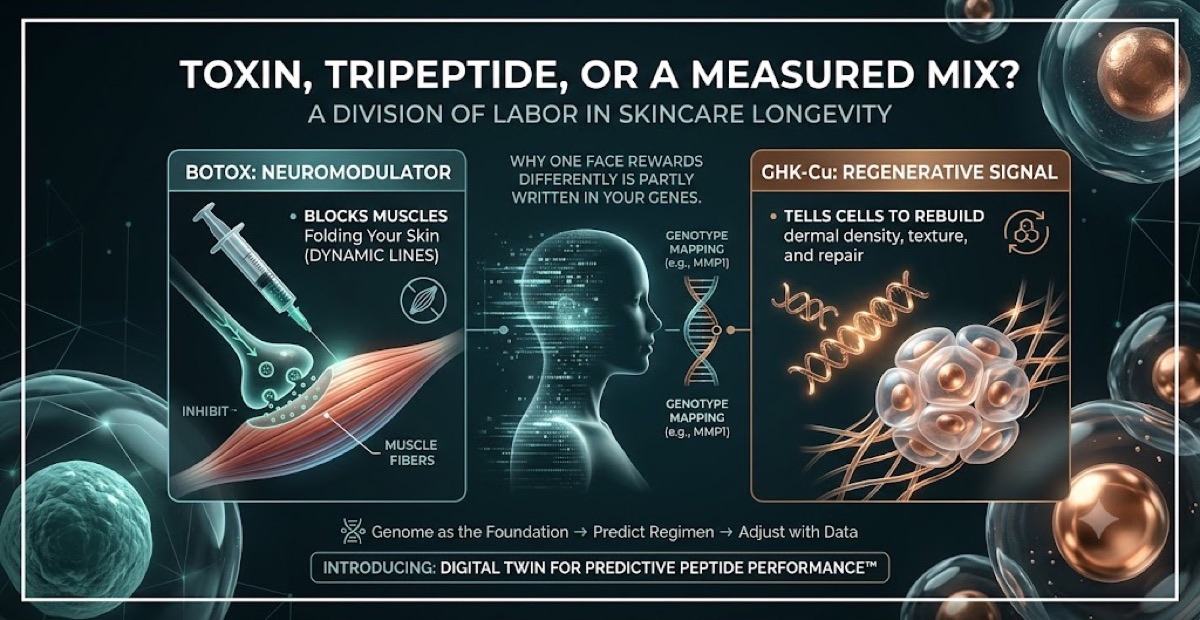
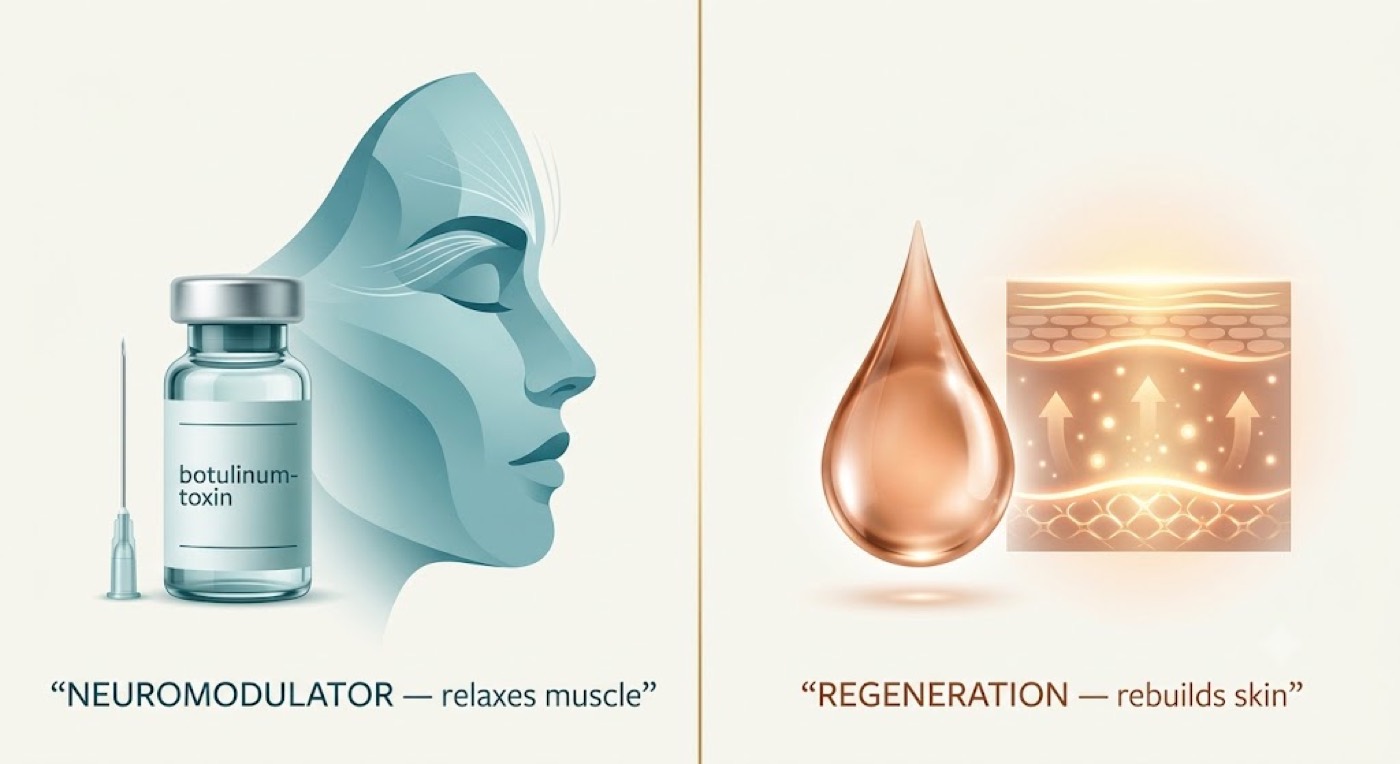
Figure 1. Two Tools, Two Layers. Botulinum toxin quiets the muscles that fold your skin; the copper peptide GHK-Cu signals the cells beneath it to rebuild. For long-term skin care, the real question isn't which one wins—it's the right ratio for your biology. GHK-Cu is most often delivered either by subcutaneous injection or topically.
In 2017, Jennifer Aniston told Harper's Bazaar she had quietly given up on Botox and fillers because the injectables, in her words, had started "making me look older than I actually am." Six years later, she told The Wall Street Journal where she had redirected her attention—peptide injections—and added, simply, "I do think that's the future."[22] Whatever you make of celebrity skin care, Aniston had put her finger on a real scientific distinction, one that most of the roughly $9-billion-a-year injectable industry would prefer you didn't examine too closely.
The distinction is this: Botox and the copper peptide GHK-Cu are not two horses in the same race. One is a neuromodulator that switches off the muscles that fold your skin. The other is a regenerative signal that tells the cells underneath your skin to rebuild. Asking which is "more effective at long-term skin care" is a little like asking whether the brakes or the engine make a better car. The useful answer is about how they work together—and, increasingly, about how your own genome decides which one your face actually needs.
That personalization is where the field is moving fastest, and where almost no one is yet operating. The global botulinum toxin market is expected to be near $8.9–$12 billion in 2025, and the International Society of Aesthetic Plastic Surgery reported roughly 35 million aesthetic procedures worldwide in 2023, up 3.4% year over year.[1][2] An enormous amount of money is being spent on faces with almost nothing individualized underneath it. This article is a buyer's guide to doing better.
Part I — The Neuromuscular Bet: What Botox Actually Does
Botulinum toxin type A is one of the most studied molecules in medicine, and its cosmetic career began entirely by accident. Its first medical use, by ophthalmologist Alan Scott, was to treat crossed eyes and eyelid spasm, and it earned FDA approval in 1989. The wrinkle chapter opened when a Vancouver couple noticed something their patients kept mentioning.
Jean Carruthers, an ophthalmologist at the University of British Columbia, was treating uncontrollable blinking with dilute toxin when patients reported that their frown lines had softened. She and her husband, dermatologist Alastair Carruthers, investigated and published the first report on the cosmetic use of botulinum toxin type A in the early 1990s.[3] FDA approval for glabellar (between-the-brow) lines followed in 2002. Jean Carruthers has since called it "the discovery that started the non-invasive cosmetic world."[4] She was not overselling: a generation of medicine reorganized itself around a needle that takes ninety seconds.
The mechanism is elegantly narrow. Motor nerves instruct muscles using a neurotransmitter, acetylcholine; botulinum toxin cleaves the SNARE proteins that nerve endings need to release it, so the signal never lands, and the muscle goes quiet. As researchers, including Mitchell Brin, the longtime chief scientist behind Botox at Allergan/AbbVie, and oculoplastic surgeon Steven Fagien have detailed, the result is a temporary, reversible relaxation lasting three to six months.[5] Quiet the forehead and the lines you make when you raise your brows soften; quiet the muscle around the eye, and crow's feet fade.
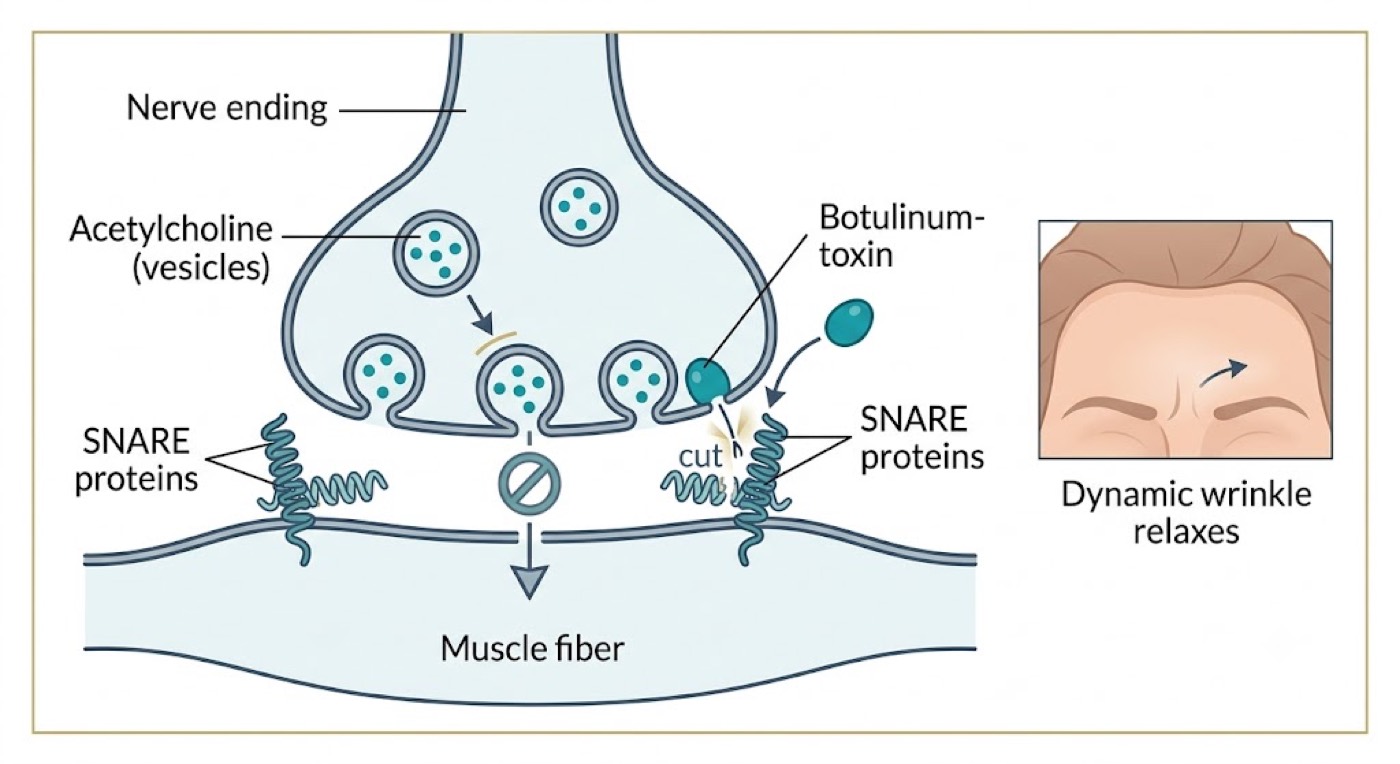
Figure 2. How the Toxin Works. The toxin's trick is precise: it blocks the nerve from releasing acetylcholine, so the muscle never gets the "contract" signal. Expression lines relax—but nothing in the skin itself is rebuilt.
The operative word is dynamic. Botox excels at the wrinkles your own muscles carve through repetition—expression lines—and it carries a genuine preventive logic: a crease never folded for fifteen years never gets permanently etched. What it does not do is build skin. It rearranges the architecture above the dermis without touching the dermis itself. That single fact is the whole argument of this piece.
It is also the most competitive corner of aesthetics, and the shape of that competition is revealing. AbbVie's Allergan Aesthetics still leads—Botox holds roughly 70% of the U.S. neuromodulator market and has been on sale since 1989[6]—but it now shares the field with five other FDA-approved type-A toxins: Dysport (Galderma/Ipsen), Xeomin (Merz Aesthetics), Jeuveau (Evolus), Daxxify (Revance Therapeutics), and, approved in 2024, Letybo (Hugel America), South Korea's leading toxin.[7] Notice what they are all racing on: duration and predictability. Daxxify is the real technical novelty—it swaps the human serum albumin used to stabilize most toxins for a proprietary peptide excipient, and its SAKURA trials supported a median effect near six months, the first stabilization advance in two decades.[8] AbbVie, meanwhile, is developing a type-E toxin (trenibotulinumtoxinE) engineered for the opposite trait—fast onset, deliberately short duration—for people who want to test-drive a result.[9] Brilliant engineering, all of it, aimed at one job: turning muscles off, more cleverly. None of it makes collagen.
Part II — The Regenerative Signal: What Subcutaneous Injections of GHK-Cu Actually Do
GHK-Cu arrives from a completely different scientific lineage—wound healing and the biochemistry of aging blood. In 1973, biochemist Loren Pickart (1938–2023) noticed that plasma from young donors could coax aged human liver tissue into behaving younger in a dish. He isolated the active fragment, a tiny tripeptide of glycine, histidine, and lysine bound to a copper ion, and spent the next five decades characterizing it.[10] By 1980, his group reported in Nature that it works in part by ferrying copper into cells.[11]
Two facts elevate GHK-Cu above the usual ingredient hype. First, it is your own: human plasma carries it at roughly 200 ng/mL at age 20, falling to about 80 ng/mL by age 60—a decline of more than 60% that tracks the slowdown in repair most people notice in their late thirties.[12] Second, it does not merely mark aging; it acts on it. Working with the connective-tissue biochemists around Maquart and Borel at the University of Reims Champagne-Ardenne, Pickart showed in a now-classic 1988 FEBS Letters paper that the GHK–copper complex stimulates collagen synthesis in human fibroblasts.[13]
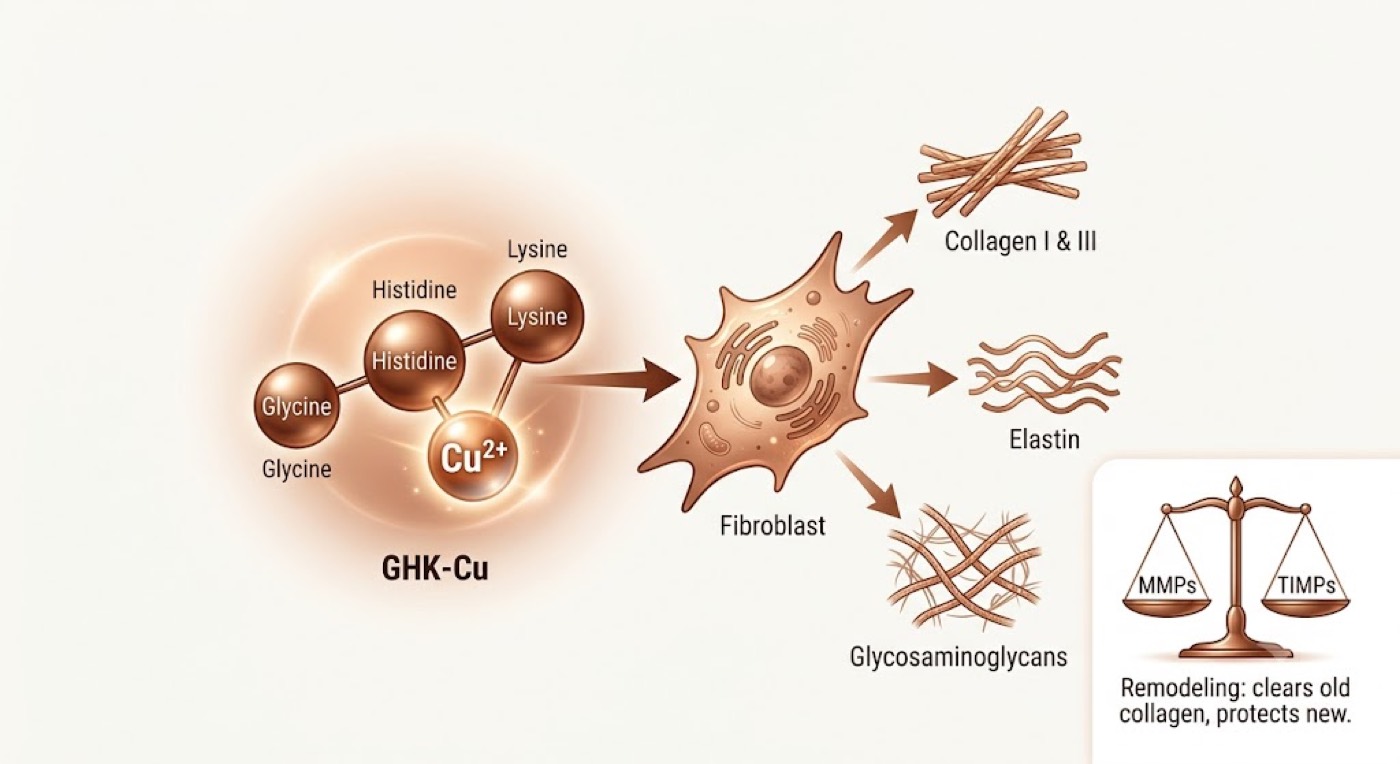
Figure 3. The Repair Foreman. GHK-Cu works like a repair foreman. It tells fibroblasts to build new collagen and elastin, and rebalances the enzymes (MMPs and their inhibitors, TIMPs) that clear old fibers without overshooting.
Where Botox is narrow, GHK-Cu, especially when delivered via subcutaneous injection, is broad. It signals dermal fibroblasts to make collagen types I and III, elastin, and the glycosaminoglycans and proteoglycans (dermatan sulfate, decorin) that give skin its bounce and water. Crucially, it also modulates the matrix metalloproteinases (MMPs) and their inhibitors (TIMPs)—the demolition crew and its supervisors—so worn-out collagen is cleared while new fiber is protected.[14] It is antioxidant, anti-inflammatory, and pro-angiogenic. And in a 2018 review in the International Journal of Molecular Sciences, Pickart and Anna Margolina reported, using the Broad Institute's Connectivity Map, that GHK shifts the expression of more than 4,000 human genes toward repair, antioxidant defense, and DNA maintenance.[15] Pickart titled an earlier paper, only half in jest, "GHK and DNA: Resetting the Human Genome to Health."[16]
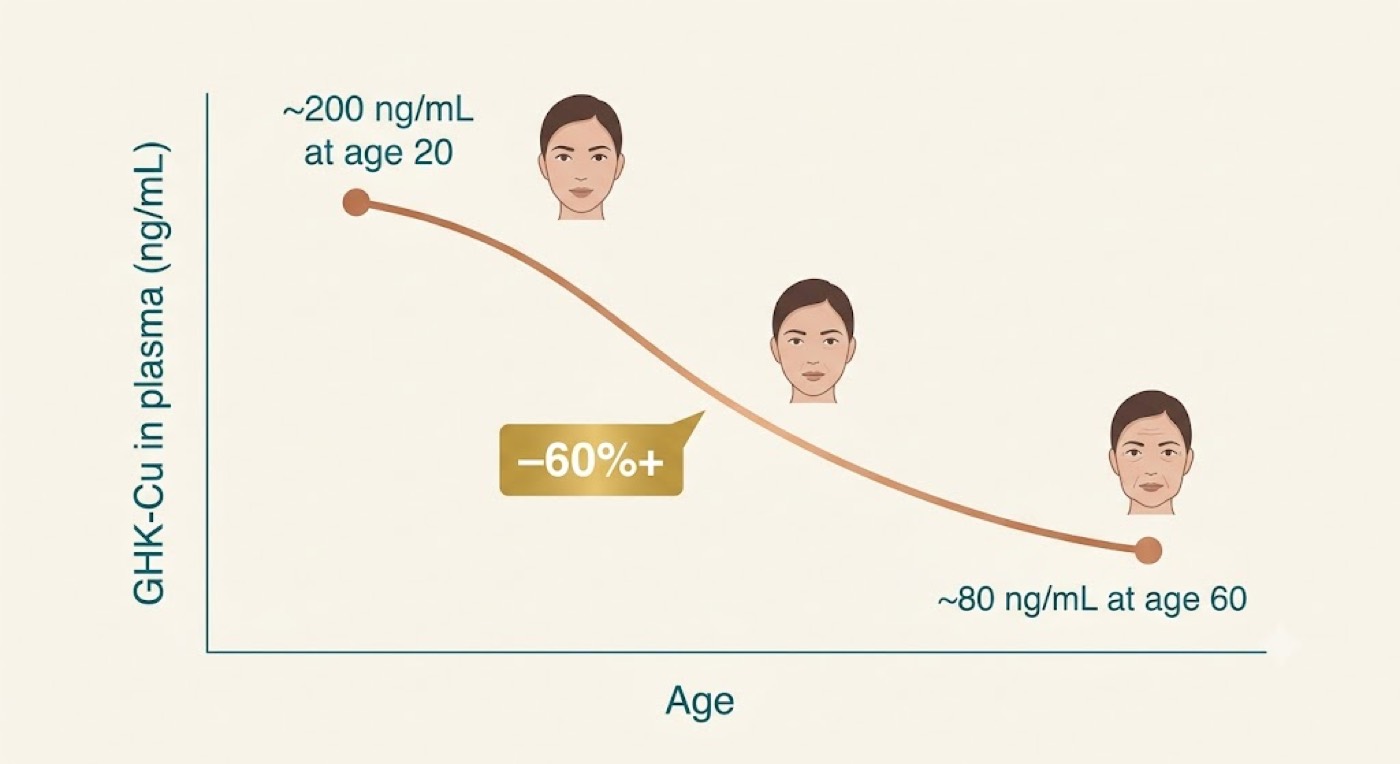
Figure 4. You Make Less of It Every Decade. Plasma GHK-Cu falls by more than 60% between ages 20 and 60, right as collagen production and repair visibly slow.
What does that mean on an actual face? The clinical record for topical GHK-Cu is unusually deep for a cosmetic active. In a 12-week facial-cream study led by James Leyden in 71 women with photoaged skin, twice-daily use improved density, firmness, clarity, and laxity, reduced fine lines and wrinkle depth, and lightened mottled pigmentation versus control.[17] In a comparison, aesthetic dermatologists still cite that a copper-peptide cream raised collagen in roughly 70% of subjects, against about 50% for vitamin C and 40% for retinoic acid—rare company for any ingredient that beats a retinoid on collagen.[18] Later work using nanocarrier delivery reported real reductions in wrinkle volume and depth, and confirmed that GHK-Cu boosts collagen and elastin in fibroblasts at concentrations as low as 0.01 nanomolar.[19]
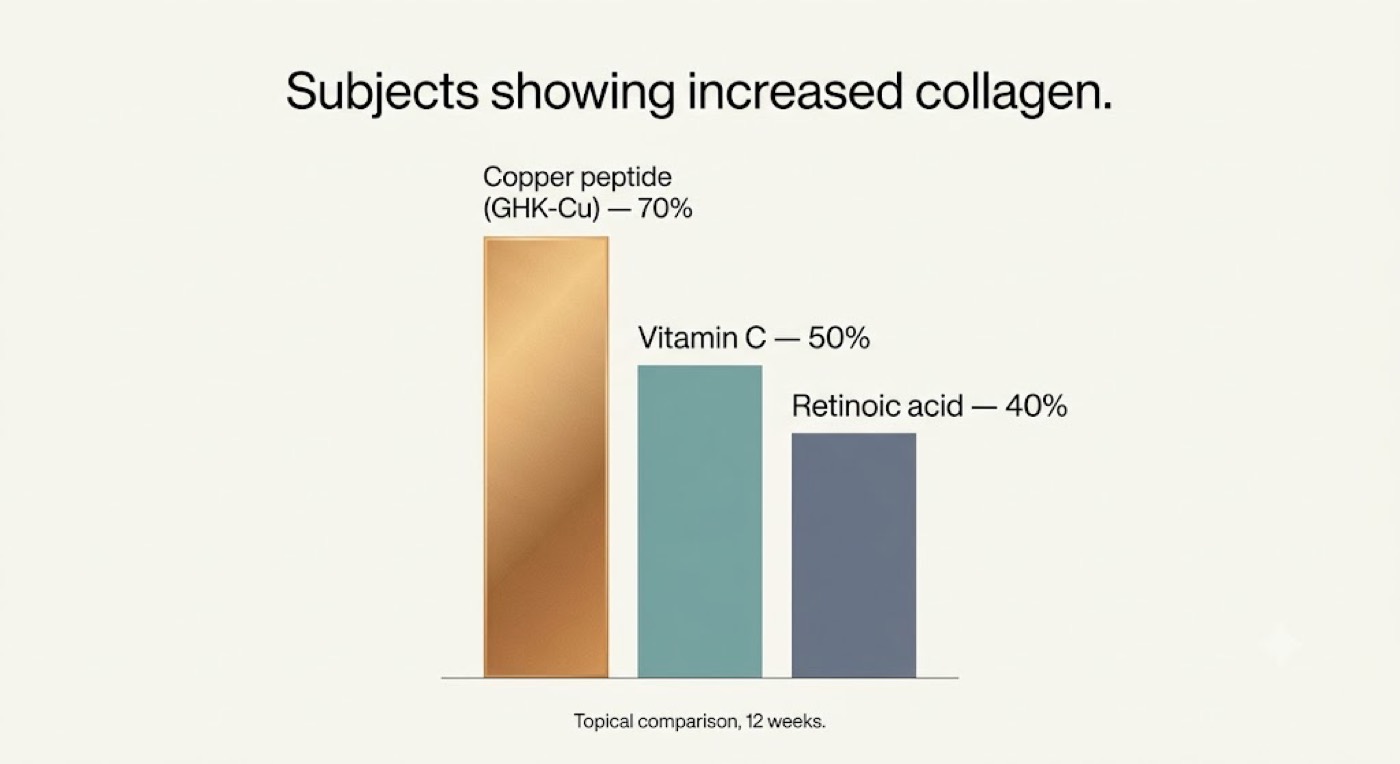
Figure 5. Beating a Retinoid on Collagen. In a head-to-head topical comparison, the copper peptide outperformed two gold-standard ingredients on collagen, a rare feat for anything that beats a retinoid.
One honest caveat the marketing skips: the strong evidence is topical. Despite clinics enthusiastically offering injectable GHK-Cu, no published long-term randomized human trial supports its use for skin endpoints, and its injectable status in the U.S. remains unsettled.[20] As a topically applied, cosmetic ingredient (INCI name Copper Tripeptide-1), by contrast, it is well established, which is why the most credible GHK-Cu story for skin is the one you apply, not the one you inject. That accessibility is also why the peptide jumped from Pickart's own Skin Biology and luxury lines into the mass market through DECIEM: The Ordinary sells a copper-peptide serum for the price of a sandwich, while its sister brand NIOD built a cult product almost entirely around GHK-Cu.[21] It now appears across portfolios from Beiersdorf, L'Oréal, Shiseido, Procter & Gamble Beauty, Unilever, and Johnson & Johnson Skin Health, beside ingredient-science startups such as Mother Science. The democratization is real. The personalization is not yet.
Part III — The Long Game: Why the Headline Question Has No Single Answer
Now we can answer the headline honestly, because we have separated the two layers it conflates.
If "long-term skin care" means preventing the etching of dynamic expression lines, botulinum toxin is the more direct tool, and the preventive logic holds. But the long-horizon Botox story carries nuance the glossy version omits, and this is exactly where Jennifer Aniston's instinct meets the data. Repeated chemical denervation is not biologically free. Animal and human studies show that serial type-A injections produce measurable, partly persistent changes in the treated muscle—atrophy, increased stiffness, and a two- to threefold rise in intramuscular collagen in long-term rodent models—and that the effect can creep into neighboring, uninjected muscles.[23] In people, serial facial injection can durably atrophy the targeted muscles, and a body of clinical commentary warns that very high-frequency, decades-long use may thin the muscle layer and, secondarily, alter the skin above it.[24] There is a more flattering finding too: by removing chronic folding, Botox can let the skin over a quiet muscle increase its collagen density.[25] Both can be true at once. Botox is a powerful, largely safe tool whose effects on the living scaffold beneath the skin are real and still being mapped—and a face can, as Aniston found, be over-borrowed against until it reads as older, not younger.
If instead "long-term skin care" means the quality of the skin itself—its thickness, elasticity, texture, and capacity to repair—then GHK-Cu is working on precisely the layer that matters, and doing the constructive thing: telling fibroblasts to rebuild the matrix and rebalancing the MMP/TIMP machinery that otherwise grinds collagen down with age. It will never erase a deep, muscle-driven frown line the way a toxin can. But it builds the substrate rather than borrowing against it.
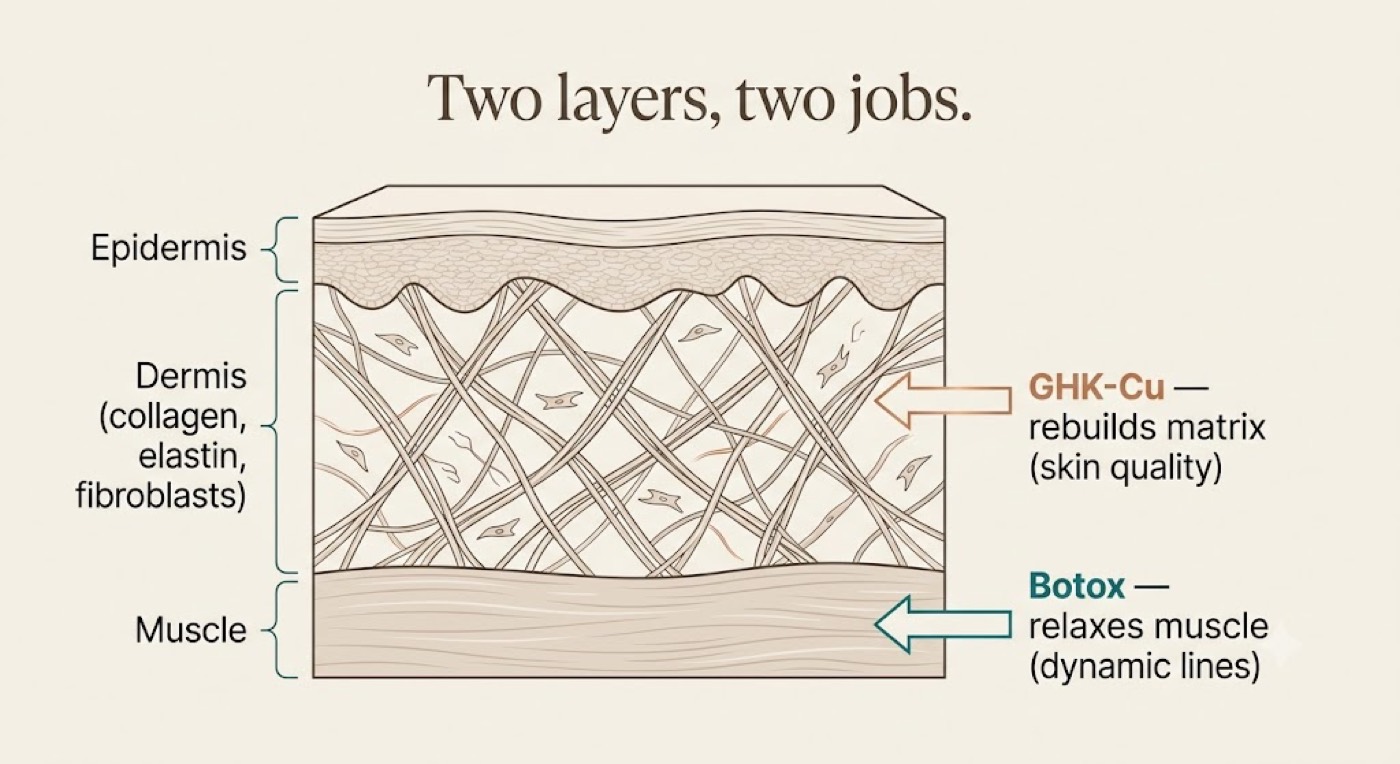
Figure 6. Different Layers, Different Jobs. The honest verdict in one picture: Botox manages the muscle layer that folds your skin; GHK-Cu rebuilds the dermal layer that is your skin.
So the defensible verdict is not a winner; it is a division of labor. Botox manages the neuromuscular layer; GHK-Cu rebuilds the dermal layer. When Aniston walked away from injectables and toward peptides, she wasn't rejecting science—she was, without the vocabulary for it, trading a tool that had reached its limit for one that addresses a different problem. The genuinely useful question is therefore never "which one," but "in what proportion, for this specific person?" And that question has a scientific answer almost nobody is using.
Part IV — Why the Same Regimen Builds Two Different Faces
Two people of the same age, with the same sun exposure and budget, can follow identical routines and still get visibly different skin. The industry has long treated this as a mystery or marketing. It is often genetics—and the genetics are now increasingly legible.
The dermal matrix is governed by a small cast of genes whose common variants change how your skin ages and how it responds to a given intervention. A 2025 Frontiers in Genetics review on precision skin care names the leads: COL1A1 and COL3A1 (how much structural collagen you build), ELN (elastin), SOD2 (antioxidant defense against UV and pollution), and—the pivotal one here—MMP1, the collagenase that initiates collagen breakdown.[26] The well-studied MMP1 promoter variant (the −1607 1G/2G polymorphism) creates an extra transcription-factor binding site in 2G carriers, raising MMP1 output; work from the SALIA cohort tied MMP1 and MMP3 promoter variants to a shared susceptibility for skin and lung aging—the same connective-tissue chemistry surfacing in two organs.[27]
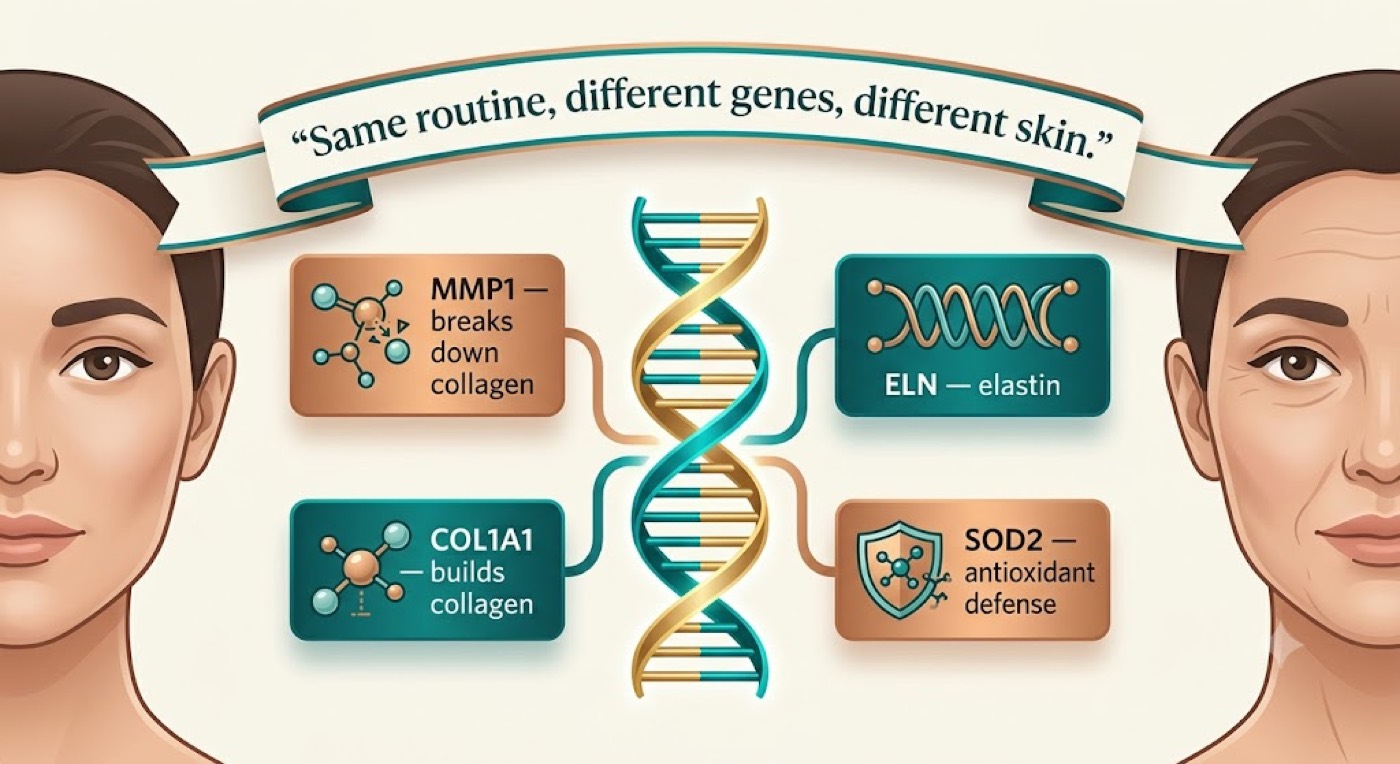
Figure 7. Your Matrix Genes Set the Table. A fast-degrading MMP1 genotype means you break collagen down quicker than average—so a build-only strategy keeps filling a leaky bucket. This is why personalization beats one-size-fits-all.
This is not academic. As skin-aging research from groups including Gary Fisher at Michigan has shown for decades, elevated MMP1 is a primary engine of collagen fragmentation in aged and photoaged skin.[28] If your DNA hands you a high-activity MMP1 genotype, you degrade collagen faster than average—and a collagen-stimulating strategy alone keeps refilling a leaky bucket. A 2024 analysis of SNP profiling for cosmetic dermatology made the translation explicit: MMP1 variants argue for collagen-protective, MMP-modulating actives; SOD2 variants argue for antioxidant support; and so on across the panel.[29]
Read GHK-Cu against that backdrop, and its appeal sharpens into logic. Its signature move—stimulating new collagen while rebalancing the MMP/TIMP machinery that protects it—is, almost by design, the right tool for a fast-degrader genotype. The same individuality governs the toxin side: response, diffusion, and duration vary enough among people that six formulations coexist commercially rather than a single obvious winner. Your skin is not average because you are not average—across just 50 functional regions of your DNA, the odds of matching an unrelated person run about 1 in 14.5 quintillion. The data to act on that exists. What has been missing is a system to turn the data into a moving, self-correcting plan.
Part V — The Digital Twin for Predictive Peptide Performance™
This is where personalized medicine stops being a slogan. The idea behind a Digital Twin for Predictive Peptide Performance™ borrows from the digital twin concept proven in power plants and aerospace: construct a living computational model of one specific person, feed it everything you can measure, and use it to predict—then verify—how that individual will respond before committing a year of their biology to a guess.
It rests on three strata. The genome supplies the fixed foundation: your MMP1, COL1A1, ELN, and SOD2 status sets the table for how fast you break down collagen and how well you buffer oxidative stress, and therefore where a regenerative signal earns its place. On top sits a sensor layer—the objective, repeated measurements genes can't supply: high-frequency facial imaging and profilometry for wrinkle depth and texture, ultrasound or optical readouts for dermal thickness, plus the systemic context (inflammatory markers, sleep, glycemic variability) that quietly governs repair. Above that, an intelligence layer fuses these streams of multimodal health data and applies predictive modeling to population and individual response curves.

Figure 8. From Guesswork to a Plan. A digital twin turns guesswork into a plan: genome as the foundation, a sensor layer of real measurements, and an intelligence layer that predicts your best regimen—then corrects itself as the data comes in.
The payoff is a shift from reactive to anticipatory care—the same closed loop that made digital twins valuable in aerospace and is now entering clinical-trial design. Instead of trying an active regimen for three months and squinting in the mirror, the model proposes the highest-probability regimen for your matrix biology and then corrects itself with each new measurement. For a fast-MMP1 degrader with thinning, crepey skin, and few deep dynamic lines, it prioritizes matrix rebuilding—a topical GHK-Cu–led regimen, biostimulator support, and antioxidant cover for an at-risk SOD2 profile—and uses neuromodulator sparingly. For a heavy expresser with deep glabellar etching and robust density, it tilts the other way. Same two tools, two prescriptions, both defensible because both are measured. The clinician—the Coach / Practitioner—spends less time guessing and more time interpreting; the Athlete / Patient stops paying for interventions their genotype was always going to waste. That is what a credible Peptide Longevity Plan™ looks like underneath the brochure: not lottery tickets, but a priced bond.
Part VI — A Buyer's Guide for the Skeptic
Strip away the science and assume you are an over-40 executive, a physician who treats this professionally, a former competitive athlete carrying old damage, or simply someone who dislikes being sold to. Four principles, in order.
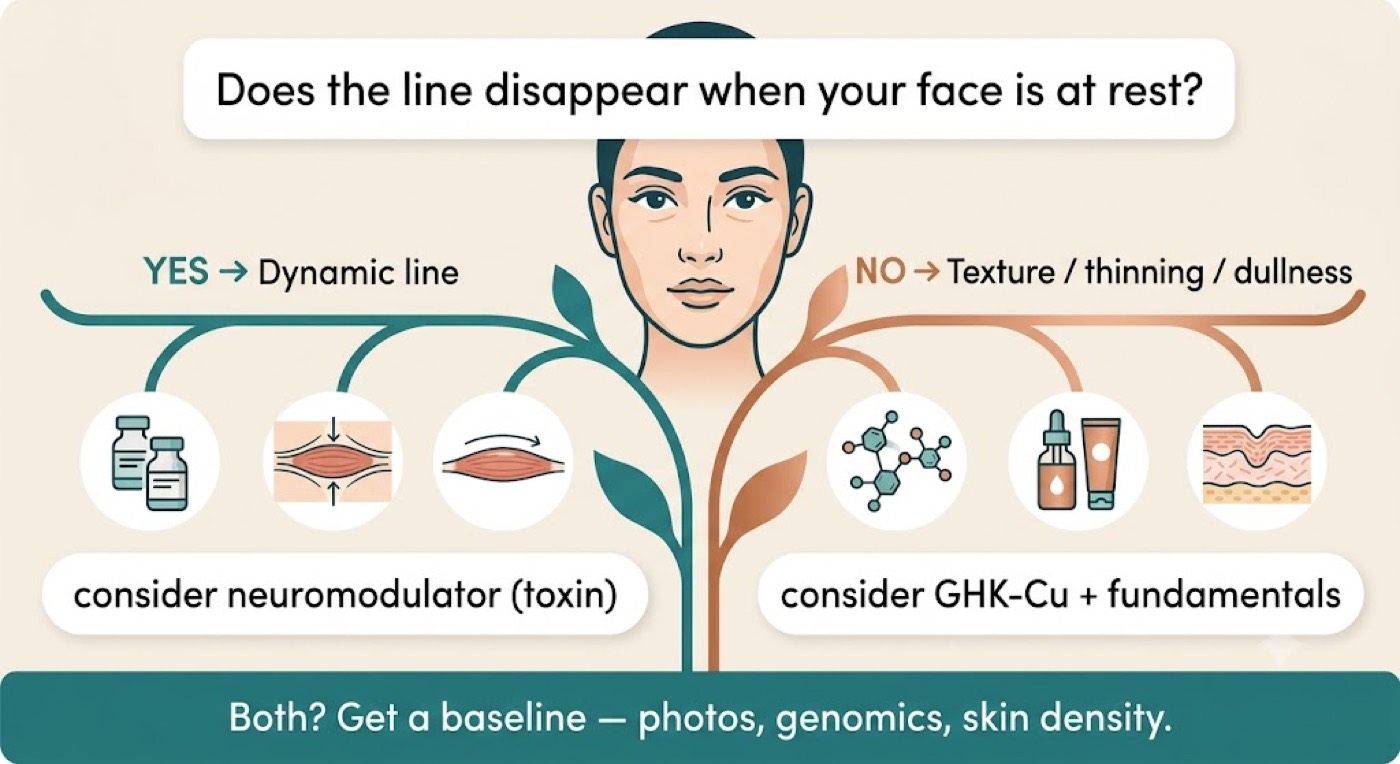
Figure 9. A Pocket Guide for the Skeptic. Lines that vanish at rest are the toxin's job; persistent thinning and dullness are the peptide's. Whatever the mix, start with a measured baseline—an intervention without measurement is a subscription, not a strategy.
Name the problem honestly. In good light, move your face, then hold it still. Lines that vanish at rest are dynamic—the toxin's domain. Lines, thinning, and dullness that persist at rest are matrix problems—GHK-Cu's domain, alongside the unglamorous fundamentals (sun protection, sleep, not smoking) that outperform every injectable ever made. Most adult faces carry both, in a ratio unique to them.
Sequence by cost of error. The lowest-regret move is almost always the regenerative, topical layer: a credible Copper Tripeptide-1 product is cheap, evidence-backed, and forgiving whether it be topical or injectable. (Forgiving, not foolproof—copper peptides are reactive, dislike being thrown into a formula beside the wrong acids or high-dose vitamin C, and a small number of users see transient irritation; simpler, well-formulated products win.) Neuromodulators fade if you dislike the result, but they are recurring, operator-dependent, and—as Part III showed—not entirely consequence-free for the muscle beneath. Build the substrate first; deliberately borrow against muscle, not by default.
Demand measurement. If you will spend real money over real years, insist on a baseline—standardized photography at minimum, ideally the genomic and dermal-density data that reveal whether anything is working. An intervention with no measurement is a subscription, not a strategy, and it is the single biggest edge almost no one takes.
Choose on evidence, not branding. On the toxin side, the meaningful variables are duration and stabilization chemistry—Daxxify's peptide excipient for fewer visits, the established albumin-stabilized toxins for a known quantity, and the type-E candidates for cautious first-timers. On the peptide side, concentration, formulation pH, and opaque packaging matter more than the logo. None of this requires faith. It requires a baseline, a model, and the discipline to let data overrule both the salesperson and your own wishful thinking.
The Quiet Argument Underneath
It is fashionable to treat skin as a matter of vanity and longevity as a virtue, as if they were separate projects. They are the same project. The MMP1 variant that ages your face is, per the SALIA work, implicated in how your lungs age, too; the inflammation, poor sleep, and metabolic chaos that show up as dull, slow-healing skin are the same forces that shorten healthspan everywhere else.[27] Your face is a high-resolution, daily readout of the connective-tissue biology running your whole body—which is why the people who learn to read it objectively, with their own numbers, tend to start asking the same questions about the parts they can't see, whether as individuals or, increasingly, through a Longevity Club or corporate health program built to keep talent in the game longer.
So here is the gentle point for anyone weighing a neuromodulator against a copper peptide: the most valuable move is not to pick a side. It is to get the baseline—genomic, sensor-based, repeatable—that turns a thirty-year aesthetic gamble into a plan you can steer. Jennifer Aniston changed course on instinct; you can do it on evidence. The toxin turns muscles off. The tripeptide turns repair on. The genome tells you the ratio, and the model keeps you honest. That, not the false binary in the headline, is what long-term skin care looks like when you take both the science and the person seriously—and the earlier you start measuring, the more of the curve you get to keep.
Sign Up for FREE Daily Longevity Club Workshops
Sign Up for Affiliate Program (Pays 20%)
Subscribe to the Longevity & Peptide Optimization Newsletter
About the Authors
Tony Medrano is CEO and co-founder of LongevityPlan.AI, a platform that integrates performance and health data from athletes and leverages proprietary Digital Twin for Predictive Peptide Performance™ technology, wearable data, and biomarker data to deliver personalized performance optimization and longevity recommendations to athletes, coaches, organizations, businesses, government, and the military. In addition to being a 3x technology/AI company CEO with 2 successful exits, Tony has completed 3 Full Ironman Triathlons (140.6 mi) since 2019. He has degrees from Harvard University, Columbia University, and a JD/MBA from Stanford University.
Tony has been involved with AI and molecular diagnostic start-ups for 10 years, and also worked with the US Olympic Team, National Basketball Association (NBA), National Football League (NFL), Major League Baseball (MLB), Iditarod, FBI, NASA, U.S. Department of Health and Human Services (HHS), Google, Microsoft, Netflix, Bridgewater Associates, ConocoPhillips, British Petroleum, One Medical, and Jenny Craig, Inc. to provide technology, artificial intelligence and/or molecular diagnostics solutions to their employees.
One of Tony's prior companies provided Conversational AI to health, fitness, and wellness companies; another delivered access to digital libraries of British Petroleum for oil discovery; and his first was a mobile app platform funded by Softbank, which resulted in a case study published by Stanford University Press and was taught in multiple MBA programs for a decade. Tony loves to teach and mentor; he earned public school teaching credentials in NY and MA and taught inner-city high school students to give back to the underprivileged community in Harlem. He also lectured on entrepreneurship and venture capital to second-year MBA students at Stanford Business School for five years. He co-authored one of the first issued patents for mobile applications. Tony also served as a US Navy Officer commanding an emergency response team on a USN Destroyer. Tony's military-to-CEO career has recently been chosen to air on an episode of "Operation CEO," a documentary by InsideSuccess.TV, which will air on AppleTV, Prime Video & Amazon MGM Studios, YouTubeTV, and other major platforms worldwide in 2026.
Tony's Chronological Age is 55, his Metabolic Age is 41, and his Biological Age is 28. He is using a 12-peptide protocol from LongevityPlan.AI that leverages his AI-powered Digital Twin and is currently training for his 4th Ironman Triathlon.
Scientific Review by Dr. Swathi Varanasi-Diaz
Dr. Swathi Varanasi-Diaz, known professionally as Dr. Swathi, is an award-winning pharmacist and medical affairs leader passionate about the intersection of evidence-based integrative health, longevity, and healthcare innovation.
She is the Managing Director of Varanasi & Company, a consulting firm providing medical affairs and strategic consulting for consumer health brands including supplements, health foods, healthtech platforms, aesthetic startups, and media ventures. Through fractional executive roles and high-impact consulting projects, Dr. Swathi helps brands generate clinical evidence, craft medically-driven messaging, uphold regulatory standards, educate their consumers, and build healthcare provider engagement channels.
With experience across clinical care, pharma, biotech, CPG, academia, and clinical trials, Dr. Swathi is recognized as a trusted expert in navigating non-FDA regulated product landscapes and competitive consumer health markets with scientific rigor. She has also created postdoctoral residency programs, fellowships, and mentorship initiatives to train the next generation of healthcare professionals in non-traditional career paths.
Dr. Swathi is a sought-after speaker and recurring medical expert on TV (CBS, NBC, ABC) and radio. She has been published in peer-reviewed journals and featured in Well+Good, mindbodygreen, Forbes Health, Yahoo, and Thrive Global. In 2023, she was named one of the 50 Most Influential Leaders in Pharmacy.
She received her Doctor of Pharmacy (PharmD) from the Medical University of South Carolina and her Bachelor of Arts from Carleton College. She is the first pharmacist in the U.S. to complete formal postdoctoral residency training in integrative medicine and preventive health, in addition to a postdoctoral fellowship in Medical Affairs and certification in clinical nutrition from Cornell University.
Endnotes
- Botulinum toxin market, 2025 estimates: MarketsandMarkets, "Global Botulinum Toxins Market" (~US$8.9B, 2025); Fortune Business Insights ($11.94B, 2025). Figures vary by methodology.
- International Society of Aesthetic Plastic Surgery (ISAPS), Global Survey 2023 (~35 million procedures; +3.4% YoY), as reported in 2025–2026 industry analyses.
- Carruthers JD, Carruthers JA. First report on the cosmetic use of botulinum toxin type A, J Dermatol Surg Oncol 1992; see also Carruthers A, Carruthers J, "History of Botulinum Toxin for Medical and Aesthetic Use," in Botulinum Toxins (Wiley, 2017).
- Jean Carruthers, interview, The Dermatology Digest, 2025.
- Brin MF and colleagues; SNARE/acetylcholine inhibition and 3–6 month clinical effect. See also Scott AB, Honeychurch D, Brin MF, "Early development history of Botox (onabotulinumtoxinA)," Medicine 2023 (PMC10374179).
- Mordor Intelligence; Fortune Business Insights (AbbVie/Allergan leadership; ~70% U.S. neuromodulator share; Botox marketed since 1989).
- Healio Dermatology (Feb 2026) and The Dermatology Digest (2024): FDA-approved neuromodulators—Botox (AbbVie), Dysport (Galderma/Ipsen), Xeomin (Merz), Jeuveau (Evolus), Daxxify (Revance), Letybo (Hugel, approved 2024).
- DaxibotulinumtoxinA Prescribing Information (Revance, 2022); Brandt F et al., "DaxibotulinumtoxinA: Peptide-Stabilized Botulinum Toxin with Extended Duration of Effect," Aesthetic Surgery Journal; SAKURA Phase 3 program.
- AbbVie Phase 3 trials M21-500/M21-508 for trenibotulinumtoxinE (BoNT/E); Biologics License Application reported 2025.
- Pickart L. Discovery of GHK (1973); Pickart L, "The human tri-peptide GHK and tissue remodeling," J Biomater Sci Polym Ed 2008;19:969–988.
- Pickart L, Freedman JH, et al. "Growth-modulating plasma tripeptide may function by facilitating copper uptake into cells." Nature 1980;288:715–717.
- Plasma GHK-Cu decline ~200→80 ng/mL between ages 20 and 60 (Pickart data; encyclopedic summary).
- Maquart FX, Pickart L, Laurent M, Gillery P, Monboisse JC, Borel JP. "Stimulation of collagen synthesis in fibroblast cultures by the tripeptide–copper complex GHK-Cu." FEBS Lett 1988;238(2):343–346 (University of Reims Champagne-Ardenne).
- Pickart L, Vasquez-Soltero JM, Margolina A. "GHK Peptide as a Natural Modulator of Multiple Cellular Pathways in Skin Regeneration." BioMed Research International 2015 (PMC4508379).
- Pickart L, Margolina A. "Regenerative and Protective Actions of the GHK-Cu Peptide in the Light of the New Gene Data." Int J Mol Sci 2018;19(7):1987 (PMC6073405).
- Pickart L, Vasquez-Soltero JM, Margolina A. "GHK and DNA: Resetting the Human Genome to Health." BioMed Research International 2014.
- Leyden JJ, Stephens TJ, Finkey MB, Appa Y, Barkovic S. "Skin care benefits of copper peptide containing facial cream," American Academy of Dermatology meeting, 2002 (71 women, photoaged skin, 12 weeks).
- Abdulghani et al.; comparative collagen response: copper-peptide cream ~70% vs vitamin C ~50% vs retinoic acid ~40% of subjects.
- Badenhorst et al., 2016: GHK-Cu collagen/elastin stimulation in human dermal fibroblasts at 0.01 nM; nanocarrier delivery reductions in facial wrinkle volume and depth.
- Topical GHK-Cu (INCI: Copper Tripeptide-1) is an established cosmetic ingredient; no published long-term randomized human trial of injectable GHK-Cu for skin endpoints exists, and its U.S. injectable status has been unsettled (2023–2026).
- The Ordinary, Multi-Peptide + Copper Peptides 1% (DECIEM); NIOD Copper Amino Isolate Serum (DECIEM); Skin Biology (L. Pickart).
- Jennifer Aniston, public statements: Harper's Bazaar (2017, on stopping Botox/fillers); The Wall Street Journal (2023, on peptide injections as "the future"); Glamour (2025, on maintenance and pro-aging stance).
- Kaya et al., 2020, and finite-element/mechanics analyses: long-term botulinum toxin type A increases passive force and intramuscular collagen (~2–3× in rodent models) and spreads to non-injected muscles. Frontiers in Bioengineering and Biotechnology 2020.
- "Keeping up appearances: Don't frown upon the effects of botulinum toxin injections in facial muscles," PMC10480586: serial facial injection and chemical denervation/atrophy.
- Botulinum toxin and secondary collagen-density increase from reduced mechanical stress, reported in Dermatologic Surgery (2021) and subsequent commentary; interpret cautiously.
- "Genetic profiling and precision skin care: a review," Frontiers in Genetics 2025 (COL1A1, COL3A1, ELN, MMP1, SOD2).
- MMP-1 and MMP-3 promoter variants and shared skin/lung aging susceptibility (SALIA cohort), Journal of Investigative Dermatology 2015.
- Fisher GJ et al.; elevated MMP1 as a driver of dermal collagen fragmentation in aged/photoaged skin (University of Michigan; see PMC11577279 and foundational 1996–2009 work).
- "Leveraging Single Nucleotide Polymorphism Profiling for Precision Skin Care," PMC11686455 (MMP1, SOD2, TYR, IL-6 and treatment implications).
- The Genomics Company (thegenomicscompany.com), Pittsburgh, PA: saliva-based genomic interpretation across body systems; "1 in 14.5 quintillion across 50 functional regions" framing.
With thanks to Jennifer Aniston, Jean Carruthers, Alastair Carruthers (in memoriam), Loren Pickart (in memoriam), Alan Scott, Mitchell Brin, Steven Fagien, Gary Fisher, and James Leyden, and to the organizations whose research and work are referenced above.
This article is for education and is not medical advice. Treatments discussed carry individual risks and regulatory status that varies by region; consult a qualified clinician. Statements attributed to public figures reflect their reported public comments. Market figures are third-party estimates and vary by source. LongevityPlan.AI builds personalized, data-driven longevity plans—learning how your biology works so you can plan around it.