Metabolic Health
·15 min read
The Molecule That Turned Down the Volume on Alcohol Cravings
A peptide your own body already makes is quietly rewiring the science of craving. Here is what the data actually shows — and why the people who benefit most treat it as a plan, not a magic shot.
By Tony Medrano
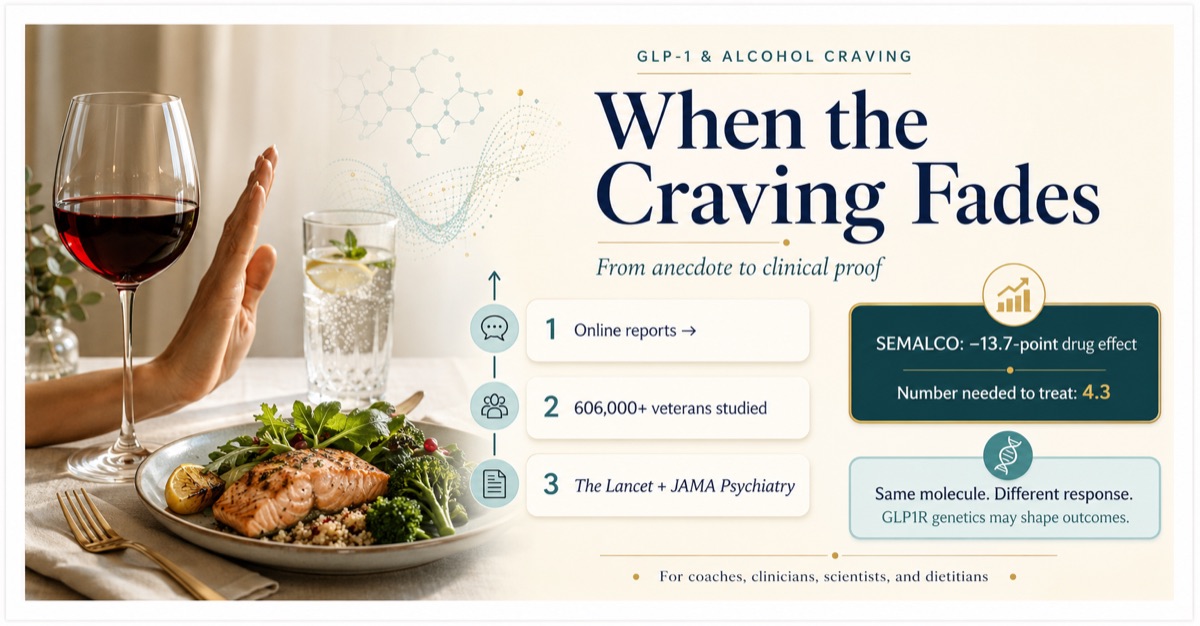
Figure 1. A Peptide Your Body Already Makes. Semaglutide is a peptide — a lab-made cousin of GLP-1, a hormone your own body releases after eating. For a surprising number of people, it also quiets the pull of the next drink.
It started, as many good scientific stories now do, on the internet. Patients taking the weight-loss injectable semaglutide kept reporting the same odd side effect on Reddit: the wine at dinner had lost its pull. The second drink felt pointless. The craving had simply… turned down in volume.
A less curious research community would have filed that under gossip. Instead, over about three years, that whisper climbed the entire ladder of evidence — from social media chatter to databases of hundreds of thousands of patients to double-blind randomized trials in The Lancet and JAMA Psychiatry. It is one of the more genuinely hopeful arcs in recent medicine, and understanding it is the point of this brief.
One reframing sets up everything that follows, so let's put it first. Semaglutide is a peptide — a synthetic cousin of glucagon-like peptide-1 (GLP-1), a 31-amino-acid hormone your gut and brain already release every time you eat. This is not an exotic foreign chemical dropped into human biology. It is a lightly re-engineered version of one of your own signaling molecules, delivered at a dose and duration evolution never arranged. That is the recurring theme of modern longevity medicine, and it is exactly why peptides are so exciting: the most powerful new tools tend to be refinements of ancient, native biology, which is part of why this class carries such a long and reassuring track record.
By the end of this piece, three ideas will have come together: that a familiar peptide can meaningfully quiet craving through several mechanisms at once; that the effect is real but personal, varying with your genes and your physiology; and that turning a promising molecule into a durable result is the work of measurement, coaching, and a plan. Let's build it in that order.
The reward system, and the peptide that leans on it
To see why a metabolic hormone would touch drinking at all, look past the stomach and into the midbrain. GLP-1 receptors are not confined to the pancreas; they are found in the ventral tegmental area and the nucleus accumbens — the dopamine-driven reward circuitry that lights up not only for food but also for alcohol, nicotine, and opioids. When a GLP-1 receptor agonist activates those receptors, it appears to soften the surge of anticipation that makes the next drink feel worth having.[1][2]
Two of the most authoritative figures in addiction neuroscience have put their names on this idea: Dr. Nora Volkow, director of the National Institute on Drug Abuse, and Dr. George Koob, director of the National Institute on Alcohol Abuse and Alcoholism, are both co-authors on the pivotal clinical trial we will reach shortly.[1] When the two federal scientists whose careers are devoted to addiction attach themselves to a peptide's results, the field leans in. Volkow's read afterward was plain: the long theorized potential for GLP-1s "to treat drug addiction" is beginning to "turn into reality."[3]
Mechanistically, three routes converge. GLP-1 peptides appear to dampen the reward in that midbrain circuitry; to slow the delivery of alcohol into the bloodstream, blunting its immediate hit; and to act on a common pathway shared across addictions rather than any single substance. Keep those three in mind — the evidence below demonstrates each in turn.
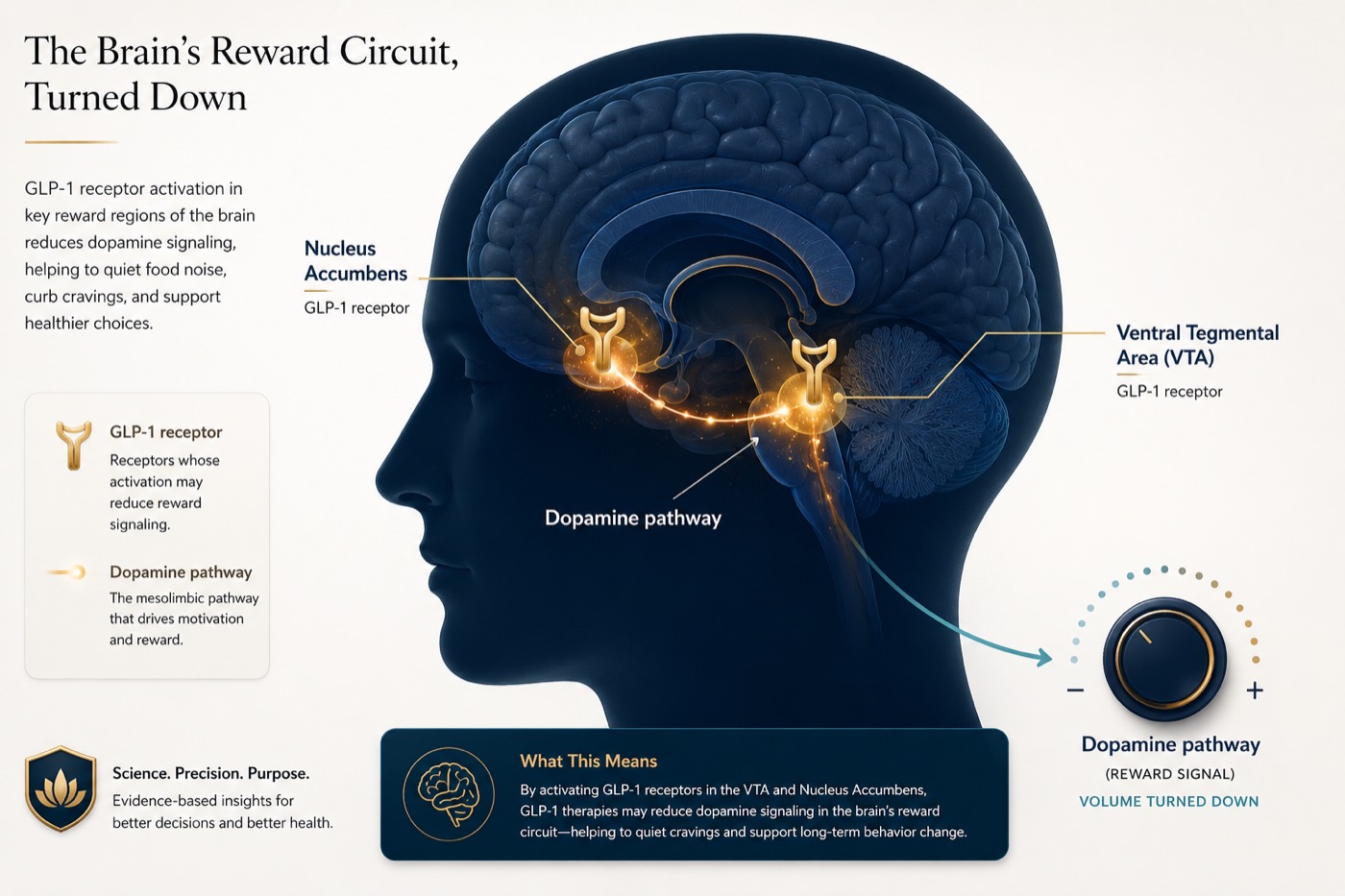
Figure 2. The Reward System, Turned Down. GLP-1 receptors sit in the brain's reward circuitry — the ventral tegmental area and nucleus accumbens. Activating them appears to turn down the dopamine "reward" of the next drink, cigarette, or hit.
What it already looks like in the wild
Before the trials, people — including some very famous ones — described the effect in their own words. Serena Williams, arguably the greatest tennis player of the modern era, spoke openly about using a GLP-1 medication to address stubborn weight after the birth of her second child, and has since talked about it publicly rather than hiding it.[4] When a champion whose entire career was built on bodily excellence treats a peptide as a legitimate tool rather than a secret, the cultural conversation shifts.
On the alcohol question specifically, the self-reports are striking precisely because no one was looking for them. Television personality Jon Gosselin, describing his own experience, said the medication simply "helped me stop drinking" alongside reining in his appetite.[4] The "Queer Eye" star Jonathan Van Ness offered the more instructive version: he credited a GLP-1 as a major help, but was careful to frame it as one piece of a larger effort that also included changing his diet, reducing his alcohol use, and training consistently on the Pilates reformer.[5] That framing — the molecule as a catalyst inside a plan, not a substitute for one — is the entire thesis of this article in miniature, and it happens to be exactly how a good coach thinks.

Figure 3. It Showed Up in the Wild First. Long before the clinical trials, people described the same thing — the wine simply lost its pull. Public figures from elite athletes to entertainers have since spoken openly about it.
The plural of anecdote, of course, is not data. But a chorus of consistent anecdotes is precisely what tells researchers where to point a randomized controlled trial. So they did.
Climbing the ladder of evidence
What makes this story scientifically respectable, rather than merely viral, is that the proof arrived in the right order — each rung more rigorous than the last.
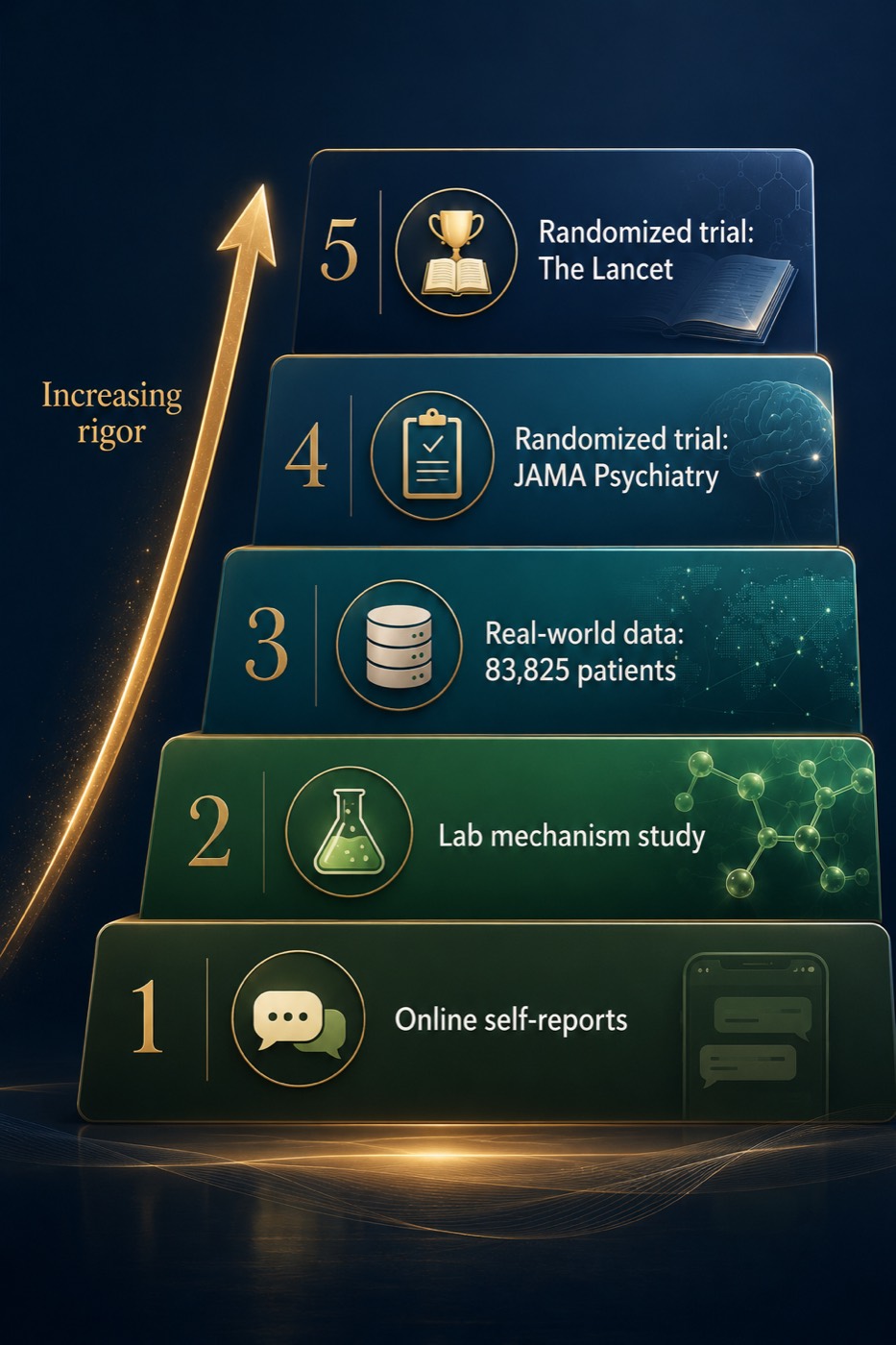
Figure 4. Climbing the Ladder of Evidence. The story climbed the evidence ladder in the right order — from internet anecdote, to a lab mechanism study, to hundreds of thousands of records, to double-blind randomized trials.
A mechanism you can measure in a single evening
At Virginia Tech's Fralin Biomedical Research Institute, researchers ran a small, elegant pilot published in Scientific Reports in 2025. In a makeshift lab "bar," twenty adults — half on a maintenance dose of a GLP-1 (semaglutide, tirzepatide, or liraglutide), half on nothing — drank a standardized amount of alcohol and were monitored for four hours.[6] Despite matching doses, the GLP-1 group's breath alcohol rose more slowly, especially in the first 20 to 30 minutes, and they reported feeling less intoxicated. Their cravings were lower going in and stayed lower.
The mechanism here is refreshingly physical. GLP-1s slow gastric emptying, so alcohol trickles in rather than arriving as a wave. As corresponding author, Dr. Alex DiFeliceantonio explained, established anti-craving drugs like naltrexone and acamprosate work on the central nervous system, whereas GLP-1s "suppress intake through a different mechanism" — a peripheral one that flattens the curve of intoxication and, with it, alcohol's appeal.[6] Independent addiction researcher Dr. Carolina Haass-Koffler of Brown University called the pilot a solid early step toward larger trials.[7] The work was built on years of research by the late Dr. Warren Bickel, a pioneer of behavioral economics in addiction who died in 2024; his doctoral researcher, Fatima Quddos, was the first author. Discoveries, it is worth remembering, have parents.
Eighty-four thousand real-world patients
The mechanism is suggestive; the scale is persuasive. A retrospective cohort study from Case Western Reserve University, published in Nature Communications, examined the electronic health records of 83,825 patients with obesity. Compared with those on other anti-obesity medications, patients prescribed semaglutide showed a 50% to 56% lower risk of both the first onset and the recurrence of alcohol use disorder over twelve months, and the effect held across sex, age, and race, then replicated in a second population of nearly 600,000 patients with type 2 diabetes.[8] This is observational data, and the authors said so plainly; it cannot prove causation. But a signal this large is exactly what justifies the expense of a randomized trial.
The randomized trials
Two double-blind, placebo-controlled trials carried the story from "associated with" to "caused."
The first, led by Dr. Christian Hendershot at the University of North Carolina–Chapel Hill and published in JAMA Psychiatry in 2025, was deliberately modest: 48 adults with alcohol use disorder, low-dose semaglutide, nine weeks.[9] Even at that small scale, semaglutide significantly reduced weekly craving and cut how much participants drank in a controlled laboratory session. A revealing detail hinting at the broader reward mechanism: among participants who also smoked, cigarettes per day fell too.
The second was the one the field had been waiting for. In May 2026, The Lancet published a 26-week randomized trial run at Mental Health Center Copenhagen — the SEMALCO trial, led by Dr. Anders Fink-Jensen with Volkow and Koob among the authors.[1] It enrolled 108 treatment-seeking adults with both alcohol use disorder and obesity. Everyone received cognitive behavioral therapy; half also received once-weekly semaglutide at the full 2.4 mg dose.
The results reward a close, honest reading — and honesty is what separates a research brief from a press release. Heavy drinking days fell 41.1 percentage points from baseline in the semaglutide group; that is the number that made headlines. But the placebo-plus-therapy group also fell, by 26.4 points, because good therapy genuinely works. The drug-attributable effect is the gap between them: 13.7 percentage points (p = 0.0015).[1][10] That is a robust, clinically meaningful result — and the surrounding numbers make it more impressive, not less. The semaglutide group lost far more weight (about 11.2 kg versus 2.2 kg), improved their liver biomarkers, and lowered their blood pressure — the compounding dividends of treating metabolism and craving with a single molecule.[10] Most telling, the number-needed-to-treat was 4.3, meaning roughly one in four patients benefited who would not have on placebo; the three medications currently approved for alcohol use disorder generally post a number-needed-to-treat of 7 or higher.[3] Fink-Jensen's summary: GLP-1 receptor agonists are "a promising new approach for treating alcohol use disorder."[10]
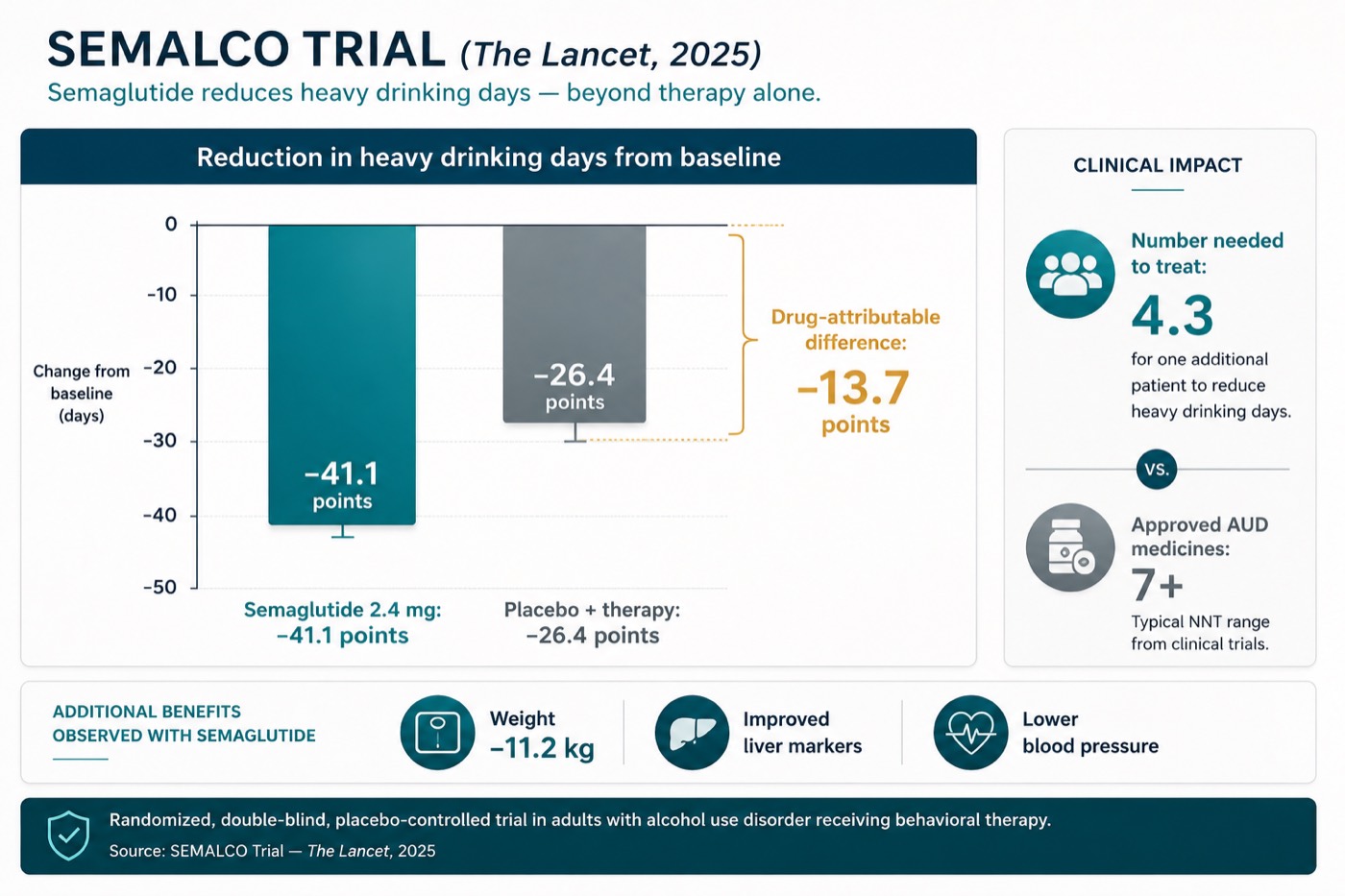
Figure 5. The Honest Number. In The Lancet's 2026 trial, the honest drug effect is the gap between the groups — 13.7 percentage points — with a number-needed-to-treat of 4.3, better than any currently approved medicine for alcohol use disorder.
The Veterans Affairs throughline
If you want to understand where this science is headed, watch the U.S. Department of Veterans Affairs — because it appears at two different rungs of the ladder, and the symmetry is the story.
First, the stakes. Veterans carry a genuinely elevated burden of alcohol use disorder: a nationally representative study put lifetime prevalence at roughly 40.8% and past-year prevalence at 10.5%, higher than the general adult population, and frequently entangled with post-traumatic stress — one review of VA records found that 63% of veterans with alcohol use disorder also carried a PTSD diagnosis.[11][12] For this population, a medicine that reduces drinking while also improving weight, liver, and cardiovascular markers is not a lifestyle upgrade. It is a potential lifeline.
Read more scientific research from LongevityPlan.AI, or buy peptides from the LongevityPlan.AI shop.
Second, the data engine. The VA is the largest integrated health system in the United States, with more than 1,200 points of care feeding a single national data repository.[13] That scale is why the broadest test of the GLP-1 hypothesis yet was possible. In March 2026, a team at Washington University School of Medicine in St. Louis published an analysis in The BMJ of more than 606,000 veterans with type 2 diabetes.[14] The question was ambitious: Do GLP-1s work against addiction across the board? Compared with patients on a different diabetes drug class, those starting a GLP-1 showed lower rates of developing every substance use disorder studied — 18% lower for alcohol, 14% for cannabis, 20% for cocaine and nicotine, and 25% for opioids — and, among those who already had a disorder, fewer overdoses, hospitalizations, and drug-related deaths.[14] Senior author Dr. Ziyad Al-Aly, a clinical epidemiologist at WashU Medicine and Chief of Research at the VA Saint Louis Health Care System, put his finger on why this matters: in addiction medicine, treatments usually target one thing — a nicotine patch helps with smoking but not alcohol — and there is "no medication that works across addictive substances, let alone all of them."[14] The uniformity of the effect across chemically unrelated drugs is the whole point: it suggests GLP-1s act upstream, on the shared reward machinery every addiction borrows. That is the "common pathway" mechanism, demonstrated at the national scale.
Third, and most consequentially, the VA is now sponsoring the definitive causal test. Its Office of Research and Development has launched a Phase 3, randomized, double-blind, placebo-controlled trial (NCT07218354) escalating semaglutide to 2.4 mg over 28 weeks in veterans with moderate-to-severe alcohol use disorder, with risky-drinking outcomes tracked by a validated calendar-based interview.[15] In other words, the same population that produced the strongest real-world signal is now running the trial designed to prove it. This is how a Reddit thread becomes standard of care: slowly, rigorously, and — fittingly — on a foundation built by the people who served.
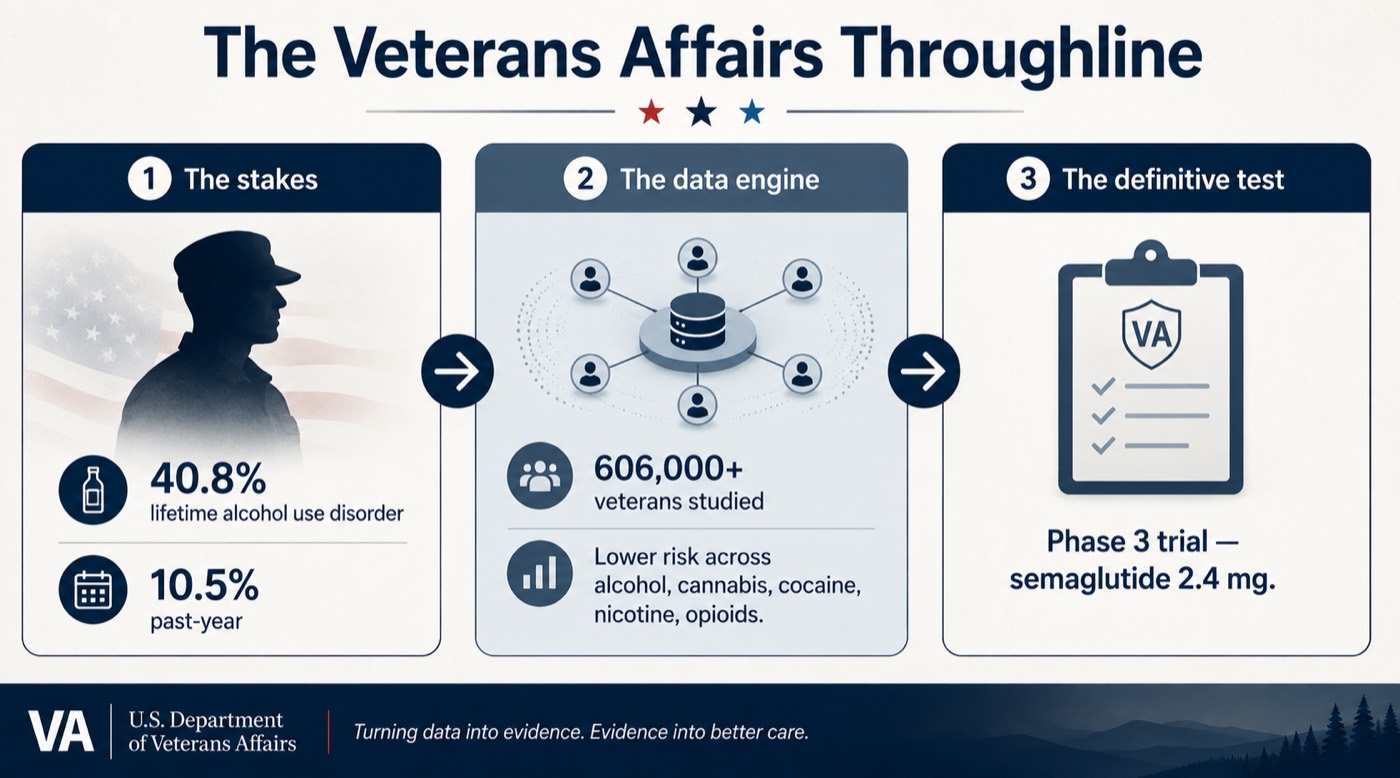
Figure 6. The Veterans Affairs Throughline. The VA sits at both ends of the science — the population with the greatest need, the largest real-world dataset, and now the trial built to prove the effect.
The next molecule: blunting the buzz itself
If semaglutide is the present, retatrutide is the frontier — and this is where the peptide story gets genuinely thrilling. While semaglutide acts on one receptor (GLP-1), retatrutide is a triple agonist, engaging three at once: GLP-1, GIP, and glucagon. In obesity trials, it has produced weight loss approaching what was once only possible with bariatric surgery, and researchers suspect that a broader receptor footprint may reach deeper into the reward system.
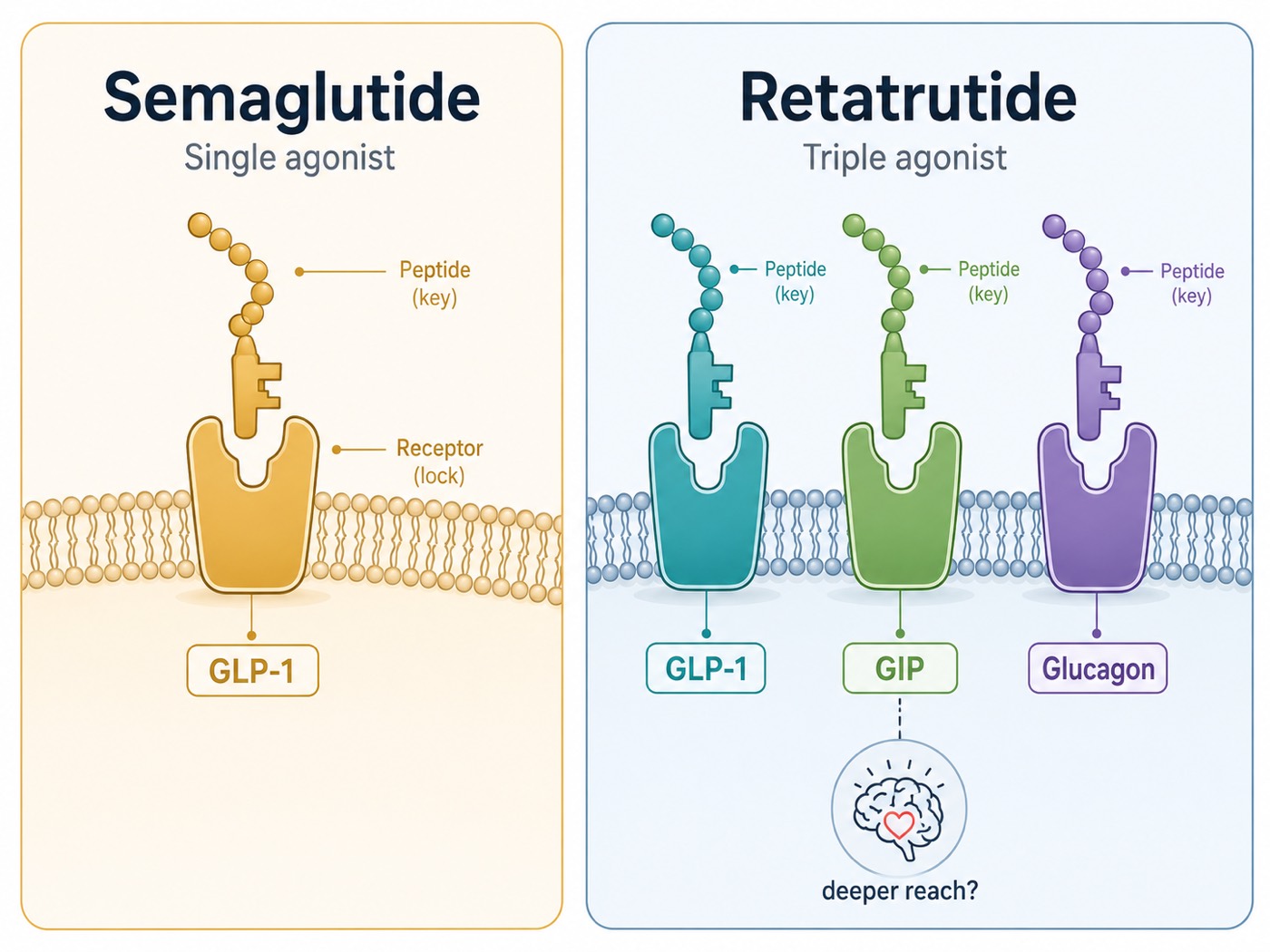
Figure 7. One Receptor, or Three. Semaglutide engages one receptor; the next-generation peptide retatrutide engages three at once — a broader footprint researchers think may reach deeper into the reward system.
An intriguing 2025 study in Psychopharmacology offers an early, tantalizing clue.[16] Using an operant drug-discrimination task in rats — a well-validated way to probe how an animal internally perceives the sensation of intoxication — researchers tested semaglutide, tirzepatide, and retatrutide. Each blunted the animals' ability to recognize alcohol's interoceptive signal; retatrutide produced a significant effect at the highest dose tested. In plain terms, the drugs appear to blur the felt experience of being drunk. And if a molecule removes the internal reward of intoxication, it removes much of the motivation to keep chasing it.
This is animal, preclinical work, and retatrutide's addiction research remains experimental — but that is precisely what makes early signals worth celebrating rather than dismissing. Every one of the human breakthroughs above began as exactly this kind of preclinical hint. The mechanistic logic here is compelling: multi-receptor stimulation may modulate dopamine reward circuitry more profoundly than single-receptor drugs, and the human trials, when they come, will likely follow the semaglutide playbook. For anyone whose job is to stay a step ahead of the science, retatrutide is the name to watch.
Why does the same peptide give you a different answer
Every trial above reports an average, and averages hide the most useful fact in medicine: people differ, in ways their genome can partly predict.
Consider the receptor these drugs act on, encoded by the GLP1R gene. One common variant — rs6923761, which swaps a single amino acid at position 168 — has been studied specifically for how it shapes response. In a 2025 study in Obesity, Dr. Aurélie Phan and colleagues genotyped 112 patients receiving semaglutide 2.4 mg and found that carriers of the AA variant lost weight at nearly twice the monthly rate of others, with sex as an independent factor.[17] A separate randomized analysis of liraglutide found the same variant enhanced weight loss in a gene-dose fashion; a third study, in patients on oral semaglutide, found no significant genotype effect.[18][19]
Read together, those results tell the real story: genetics clearly modulates GLP-1 response, the effect is meaningful, and it is not yet simple. That is not a weakness of the field — it is the case for measurement over guesswork. When the peer-reviewed literature itself disagrees about who responds best, "start it and see" is a strategy with an expensive, months-long feedback loop. Genotyping the relevant variants — GLP1R, the well-replicated appetite variant FTO rs9939609, and others — turns that loop into a starting hypothesis.[17][18] This is where genomics partners such as The Genomics Company fit a serious protocol: a one-time germline readout (your DNA does not change) that maps which of your signaling pathways run fast, slow, or somewhere in between. That genetic layer is the natural foundation for a Digital Twin for Predictive Peptide Performance™ — a model that begins with your fixed biology and sharpens its predictions as your real-world data accumulates.
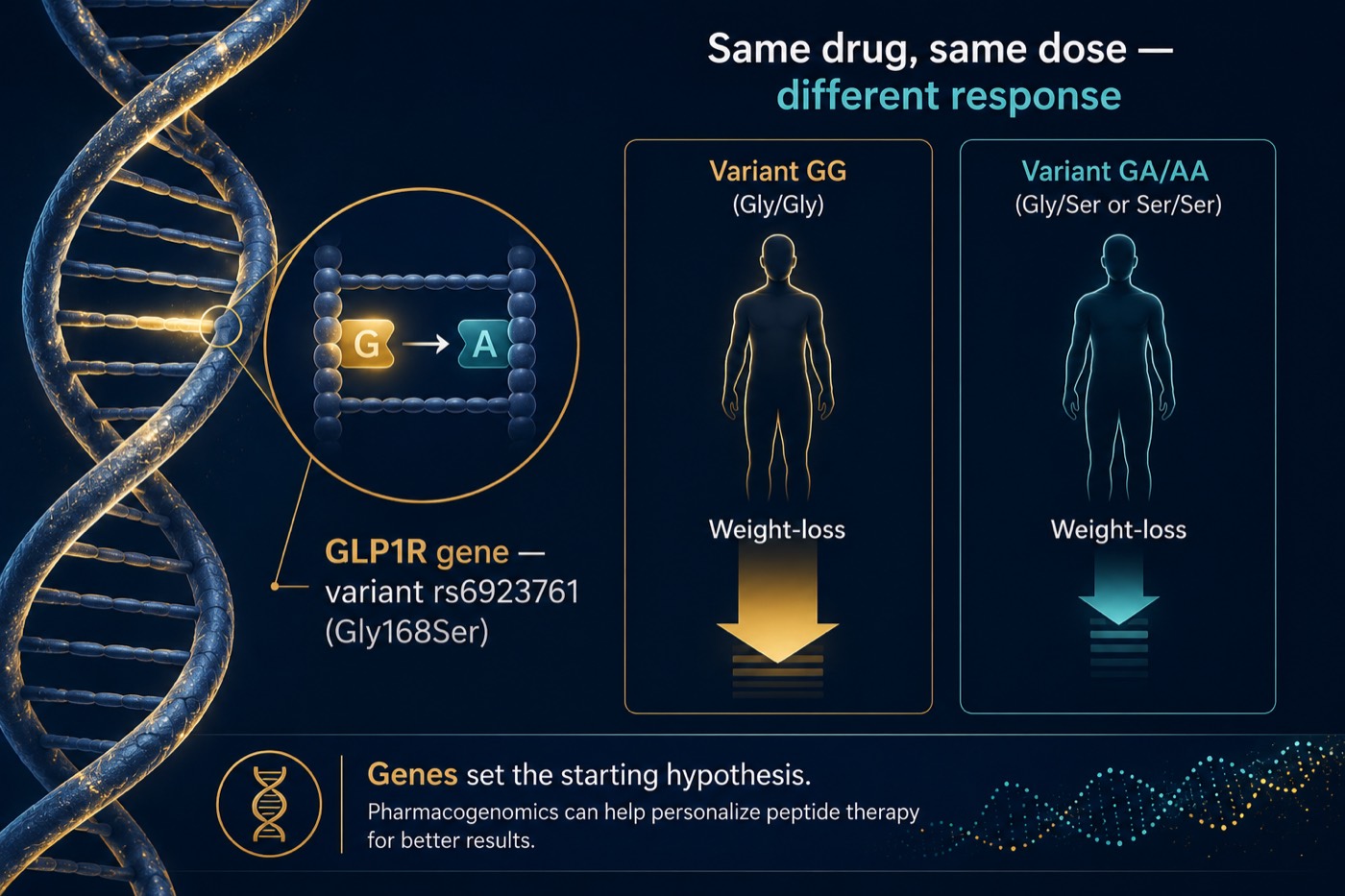
Figure 8. A Single Letter Changes the Answer. A single letter in the GLP1R gene can change how strongly you respond. That's why measuring beats guessing — and why your DNA is the foundation of a truly personalized plan.
From molecule to result: the coach's advantage
A peptide is an input. A healthier decade is an outcome. Everything in between is measurement and guidance — and this is the part of the story that belongs to the weight-loss coach, the performance coach, the dietitian, the nutritionist, and the executive coach. The prescribing clinician opens the door; it is the practitioner who walks the client through it, and the science in this article is what gives that practitioner an edge.
The link between the peptide and the plan is concrete. Heavy drinking elevates liver enzymes such as GGT, ALT, and AST, and the SEMALCO trial specifically reported that these markers improved with semaglutide.[10] Meanwhile, rapid GLP-1–driven weight loss can cost lean muscle if it goes unmanaged — a risk any good performance coach knows how to counter with protein targets, resistance training, and the right adjuncts. Both of those signals live in bloodwork and body-composition scans, which is why the modern consumer-health market has exploded around exactly this data, and why practitioners who understand it are so valuable to their clients.
The platforms compete in instructive ways. Function Health, founded by Dr. Mark Hyman, competes on breadth — roughly 100 to 160 biomarkers per panel through Quest Diagnostics, clinician notes, and optional cancer and MRI add-ons; it raised a $298 million Series B in late 2025.[20] Superpower competes on price and software, pairing a 100-plus-marker panel with an AI assistant and a biological age score at a fraction of the concierge cost.[21] Lifeforce, co-founded by Tony Robbins and Peter Diamandis, competes on the human touch — quarterly panels read directly by a longevity clinician, with access to hormones and peptides where appropriate.[21] InsideTracker, born of MIT and Harvard research, competes on integration, pairing blood biomarkers with DNA and a biological age score.[21] The category is now large enough that its leaders are in court over what even counts as a "biomarker" — a sign of a market maturing fast.[22]
Stacked correctly, these tools become an architecture rather than a drawer of gadgets. A sensor layer — labs, wearables, body-composition scans generating multi-modal health data — feeds an intelligence layer that performs the predictive modeling, comparing a client's trajectory against their genomic priors and the trial literature. The output is not a dashboard for its own sake; it is decision support that lets the Coach / Practitioner fine-tune protocol, timing, nutrition, and training for the Athlete / Patient before a trend becomes a problem. For the dietitian protecting lean mass, the executive coach guarding a high performer's sleep and cognition, or the influencer whose credibility rests on getting the science right, that translation layer is the difference between reacting to a bad panel and never getting one — and it is precisely where deep expertise in peptides, data, and performance earns its keep.
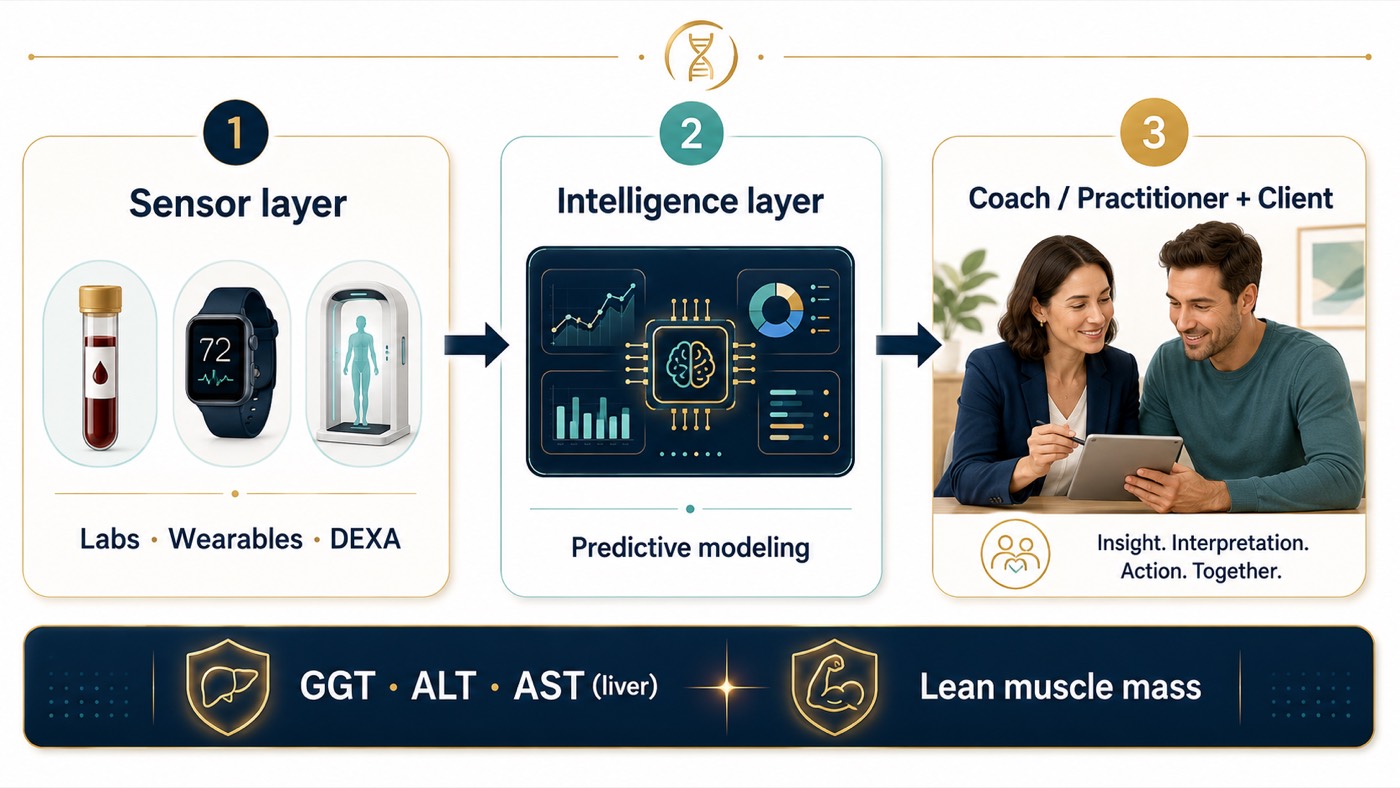
Figure 9. Data Alone Doesn't Change a Life — a Coach Does. Wearables and labs feed a predictive model, but it's the practitioner who turns liver markers and muscle data into the next smart adjustment.
The hopeful, honest close
A few things belong in any responsible account. These are prescription medicines with real (usually transient) gastrointestinal side effects, and every trial cited here was run under medical supervision — this is clinical practice, not a hack, and anyone genuinely worried about their own drinking deserves a real conversation with a qualified professional. The strongest trials were run in people with diagnosed alcohol use disorder, so the results should be extended thoughtfully rather than assumed universal. And weight lost carelessly on a GLP-1 is not all fat, which is exactly why the coaching layer matters.
None of that dims the larger picture — it sharpens it. In January 2025, the U.S. Surgeon General named alcohol the third-leading preventable cause of cancer, after tobacco and obesity.[6] Against that backdrop, a class of peptides — refinements of a hormone we already make, with a long safety record and a mechanism we increasingly understand — that simultaneously reduces drinking, drops weight, improves the liver, and may generalize across addictions is one of the more encouraging developments in preventive medicine in a decade.
The loud version of this story is that a weight-loss shot can make a cocktail lose its appeal. The lasting version — the one worth building a decade of health around — is that the headline number was an average, and no one is average. Two people can take the identical peptide at the identical dose and diverge, because of a single letter in a gene, their sex, their liver, their muscle, their baseline. Precision medicine has finally caught up to its own promise: the answer is personal and measurable. The clients who thrive will be the ones who treat their biology as an experiment worth running well — who measure before they escalate, and build a Peptide Longevity Plan™ on data rather than hope, guided by a practitioner who understands both. The molecule turned down the volume on a drink. What you do with the decades that follow is still, thankfully, up to you.

Figure 10. What You Do With the Decades Is Up to You. The molecule turned down the volume on a drink. What you do with the decades that follow is still, thankfully, up to you.
Sign Up for FREE Daily Longevity Club Workshops
Sign Up for Affiliate Program (Pays 20%)
Subscribe to the Longevity & Peptide Optimization Newsletter
About the Author
Tony Medrano is CEO and co-founder of LongevityPlan.AI, a platform that integrates performance and health data from athletes and leverages proprietary Digital Twin for Predictive Peptide Performance™ technology, wearable data, and biomarker data to deliver personalized performance optimization and longevity recommendations to athletes, coaches, organizations, businesses, government, and the military. In addition to being a 3x technology/AI company CEO with 2 successful exits, Tony has completed 3 Full Ironman Triathlons (140.6 mi) since 2019. He has degrees from Harvard University, Columbia University, and a JD/MBA from Stanford University.
Tony has been involved with AI and molecular diagnostic start-ups for 10 years, and also worked with the US Olympic Team, National Basketball Association (NBA), National Football League (NFL), Major League Baseball (MLB), Iditarod, FBI, NASA, U.S. Department of Health and Human Services (HHS), Google, Microsoft, Netflix, Bridgewater Associates, ConocoPhillips, British Petroleum, One Medical, and Jenny Craig, Inc. to provide technology, artificial intelligence and/or molecular diagnostics solutions to their employees.
One of Tony's prior companies provided Conversational AI to health, fitness, and wellness companies; another delivered access to digital libraries of British Petroleum for oil discovery; and his first was a mobile app platform funded by Softbank, which resulted in a case study published by Stanford University Press and was taught in multiple MBA programs for a decade. Tony loves to teach and mentor; he earned public school teaching credentials in NY and MA and taught inner-city high school students to give back to the underprivileged community in Harlem. He also lectured on entrepreneurship and venture capital to second-year MBA students at Stanford Business School for five years. He co-authored one of the first issued patents for mobile applications. Tony also served as a US Navy Officer commanding an emergency response team on a USN Destroyer. Tony's military-to-CEO career has recently been chosen to air on an episode of "Operation CEO," a documentary by InsideSuccess.TV, which will air on AppleTV, Prime Video & Amazon MGM Studios, YouTubeTV, and other major platforms worldwide in 2026.
Tony's Chronological Age is 55, his Metabolic Age is 41, and his Biological Age is 28. He is using a 12-peptide protocol from LongevityPlan.AI that leverages his AI-powered Digital Twin and is currently training for his 4th Ironman Triathlon.
Endnotes & Sources
- Klausen MK, Justesen SK, Pedersen JN, et al. Once-weekly semaglutide versus placebo in patients with alcohol use disorder and comorbid obesity: a randomised, double-blind, placebo-controlled trial. The Lancet. 2026;407(10540):1687–1698. DOI:10.1016/S0140-6736(26)00305-3.
- Klausen MK, Thomsen M, Wortwein G, Fink-Jensen A, et al. The role of glucagon-like peptide 1 (GLP-1) in addictive disorders. Br J Pharmacol. 2022;179:625–641.
- National Institutes of Health. "Adding weekly GLP-1 to cognitive behavioral therapy further reduces heavy drinking." NIH News Release, May 2026. Includes number-needed-to-treat (4.3) and Dr. Nora Volkow commentary.
- "Celebrities who have shared their experiences with GLP-1 drugs," TODAY (today.com), 2025–2026 — Serena Williams' public disclosure of GLP-1 use after her second child, and Jon Gosselin's account that the medication "helped me stop drinking."
- Public reporting on Jonathan Van Ness crediting a GLP-1 as a major help while emphasizing diet changes, reduced alcohol use, and consistent Pilates training (2025–2026 interviews/coverage).
- Fralin Biomedical Research Institute at VTC (Quddos F, DiFeliceantonio A, Bickel W, et al.), pilot study on GLP-1 medications, alcohol absorption, and intoxication, Scientific Reports, 2025; summarized in Virginia Tech News, "'How drunk do you feel?' Ozempic, Wegovy may help reduce alcohol use." The Surgeon General's January 2025 advisory on alcohol and cancer risk is referenced in this coverage.
- Independent expert commentary by Dr. Carolina Haass-Koffler (Brown University), quoted in "Why Drugs Like Ozempic Can Make People Drink Less Alcohol," Scientific American, November 2025.
- Wang W, Volkow ND, Berger NA, Davis PB, Kaelber DC, Xu R. Associations of semaglutide with incidence and recurrence of alcohol use disorder in real-world population. Nat Commun. 2024;15(1):4548. DOI:10.1038/s41467-024-48780-6 (Author Correction: Nat Commun. 2024;15:5177). Case Western Reserve University; TriNetX network.
- Hendershot CS, Bremmer MP, Paladino MB, et al. Once-Weekly Semaglutide in Adults With Alcohol Use Disorder: A Randomized Clinical Trial. JAMA Psychiatry. 2025;82(4):395–405. DOI:10.1001/jamapsychiatry.2024.4789. University of North Carolina–Chapel Hill (NCT05520775).
- Secondary outcomes and investigator commentary on the SEMALCO trial (−13.7 percentage-point treatment difference; weight loss −11.2 vs −2.2 kg; improved liver biomarkers): Healio, "Semaglutide reduces heavy drinking for adults with alcohol use disorder, obesity," May 2026; Medscape, May 4, 2026.
- Fuehrlein B, et al. Epidemiology of DSM-5 alcohol use disorder in U.S. military veterans: results from the National Health and Resilience in Veterans Study. Lifetime AUD 40.8%; past-year 10.5%.
- Co-Occurring PTSD and AUD in U.S. Military and Veteran Populations (review): a VA electronic-records review found 63% of veterans with AUD also carried a PTSD diagnosis. NIAAA/PMC.
- Prevalence of substance use and substance-related disorders among Veterans Health Administration patients (survey of 6,000 outpatients across 30 VA systems); the VA is described as the largest integrated healthcare system in the U.S., with 1,200+ points of care feeding a central data repository (Corporate Data Warehouse).
- Cai M, Choi T, Xie Y, Al-Aly Z. Glucagon-like peptide-1 receptor agonists and risk of substance use disorders among US veterans with type 2 diabetes: cohort study. The BMJ. 2026 (published March 4, 2026). Washington University School of Medicine in St. Louis; funded by the U.S. Department of Veterans Affairs.
- U.S. Department of Veterans Affairs, Office of Research and Development. Phase 3 randomized, double-blind, placebo-controlled trial of semaglutide (escalated to 2.4 mg over 28 weeks) in U.S. veterans with moderate-to-severe alcohol use disorder. ClinicalTrials.gov Identifier NCT07218354.
- Windram M, Lovelock DF, Carew JM, et al. Semaglutide, tirzepatide, and retatrutide attenuate the interoceptive effects of alcohol in male and female rats. Psychopharmacology. 2025. DOI:10.1007/s00213-025-06854-3 (PMID 40699363).
- Phan A, et al. A GLP1R gene variant and sex influence the response to semaglutide treatment in patients with severe obesity. Obesity (Silver Spring). 2025;33(7):1237–1242. DOI:10.1002/oby.24300.
- Randomized-controlled analysis of the GLP1R rs6923761 (Gly168Ser) variant and liraglutide response (gene-dose effect on weight loss). PubMed PMID 41042549.
- Influence of GLP1R rs6923761 and rs761387 genetic variants on oral semaglutide response in patients with type 2 diabetes. Acta Diabetologica. 2025. DOI:10.1007/s00592-025-02626-9 (no significant genotype association — underscoring the unsettled evidence).
- Majic J. "Function Health's $2.5 Billion Bet And Are Blood Testing Startups Sustainable." Forbes, November 26, 2025. Function Health founded by Mark Hyman, MD; ~100–160 biomarkers via Quest Diagnostics; $298M Series B (Nov 2025).
- Platform comparisons (Function Health, Superpower, Lifeforce, InsideTracker) — pricing, biomarker breadth, AI features, and founders (Superpower est. 2023; Lifeforce co-founded by Tony Robbins and Peter Diamandis; InsideTracker founded 2009 out of MIT/Harvard). Industry review compilations, 2026.
- ArentFox Schiff, "Competing Biomarker Providers Clash: Function Health Sues Superpower Health," March 2026 — on the January 2026 Lanham Act complaint and the definitional dispute over what qualifies as a "biomarker."
This article is for education and is not medical advice. GLP-1 receptor agonists are prescription medications; decisions about them should be made with a qualified clinician. If you are concerned about your relationship with alcohol, a licensed professional can help you find the right support.