Interview
·2026
Meet Tony Medrano
From Naval Officer to AI Entrepreneur: A conversation about defining moments, building reputation, and selling businesses
CanvasRebel Magazine — March 12, 2026
We recently connected with Tony Medrano and have shared our conversation below.
Tony, looking forward to hearing all of your stories today. Was there a defining moment in your professional career? A moment that changed the trajectory of your career?
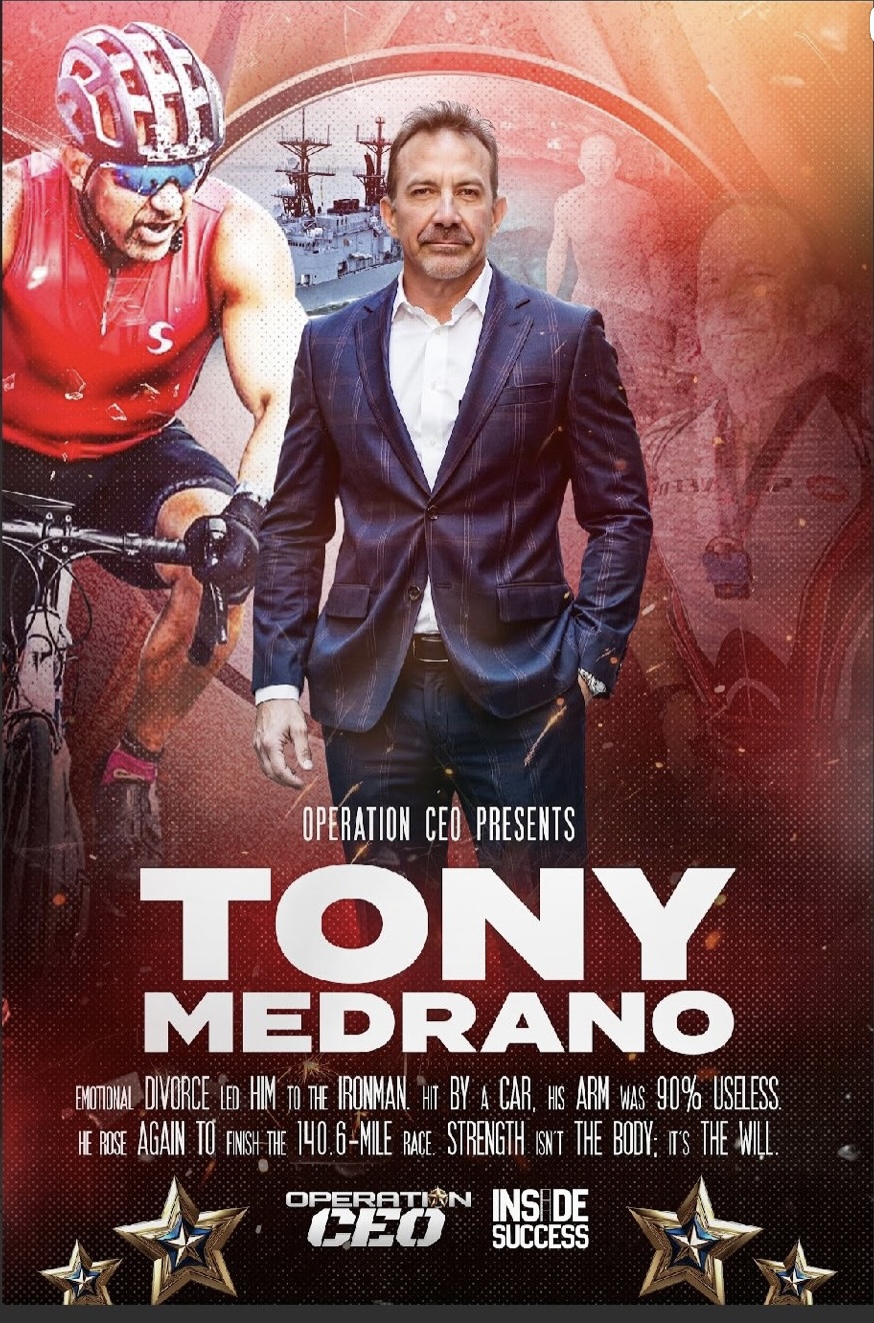
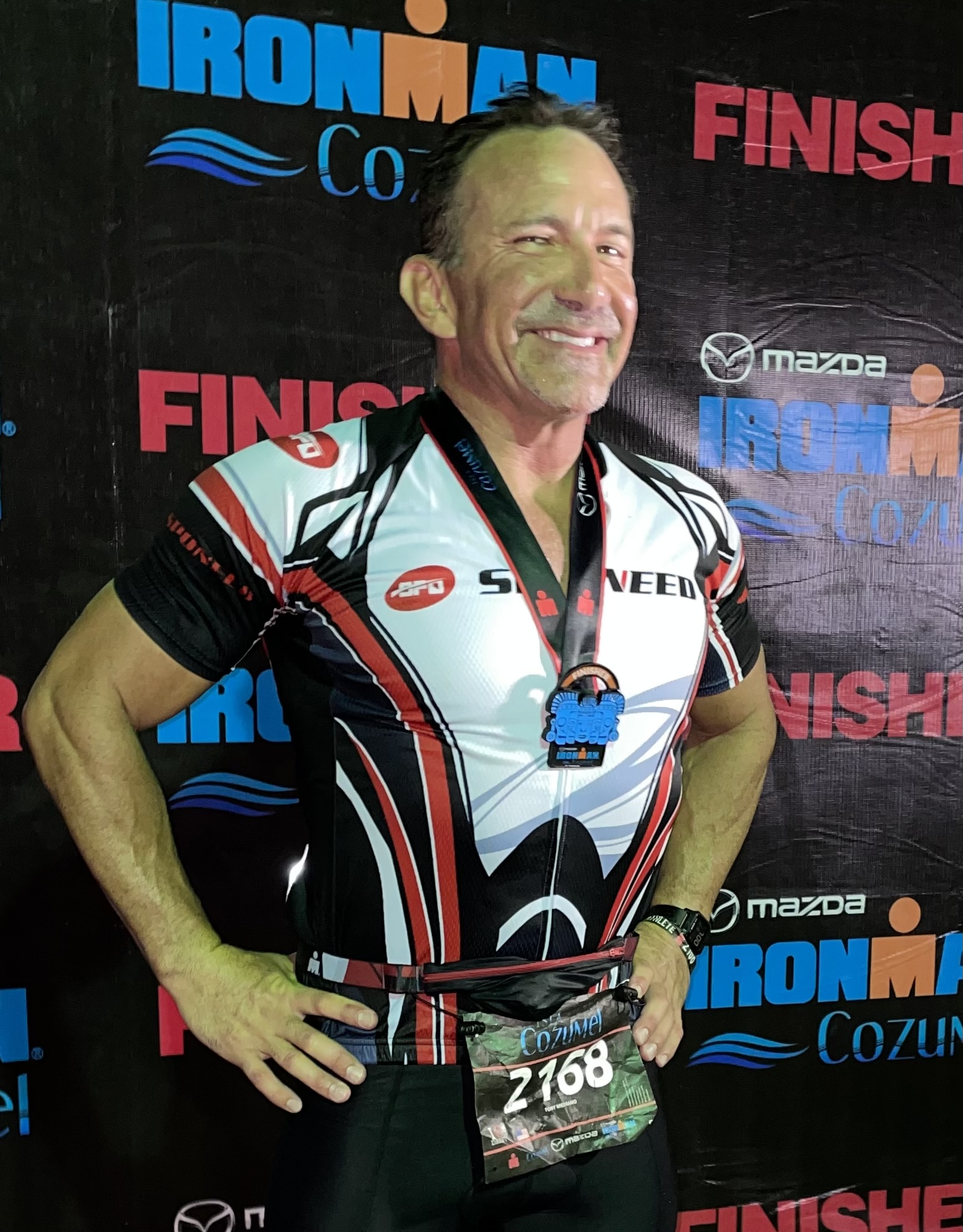
Six weeks before my first Ironman Triathlon (140.6 mi), I was T-boned by a car while cycling. I separated my shoulder when I hit the pavement. Instead of letting this permanent injury stop me, I learned to swim 2.4 miles with one arm, ride my triathlon bike 112 miles in a single gear, and run 26.2 miles with my fingers locked behind my head to keep my shoulder in place. I finished my first-ever triathlon and decided to do more. I learned there is always a way to overcome obstacles, no matter how sudden and insurmountable they may seem.
Tony, love having you share your insights with us. Before we ask you more questions, maybe you can take a moment to introduce yourself to our readers who might have missed our earlier conversations?
I grew up in Hacienda Heights, California, a diverse blue-collar suburb of Los Angeles, and attended Harvard on a Navy ROTC scholarship. After 1 year of public service as an inner-city high school teacher in New York City Public Schools, I led a firefighting and emergency response team aboard a guided missile destroyer.
I started my first technology company while I was studying law and business at Stanford in their JD/MBA program, raised over $25 million, signed up dozens of large enterprise customers, and grew the Silicon Valley company to over 100 people.
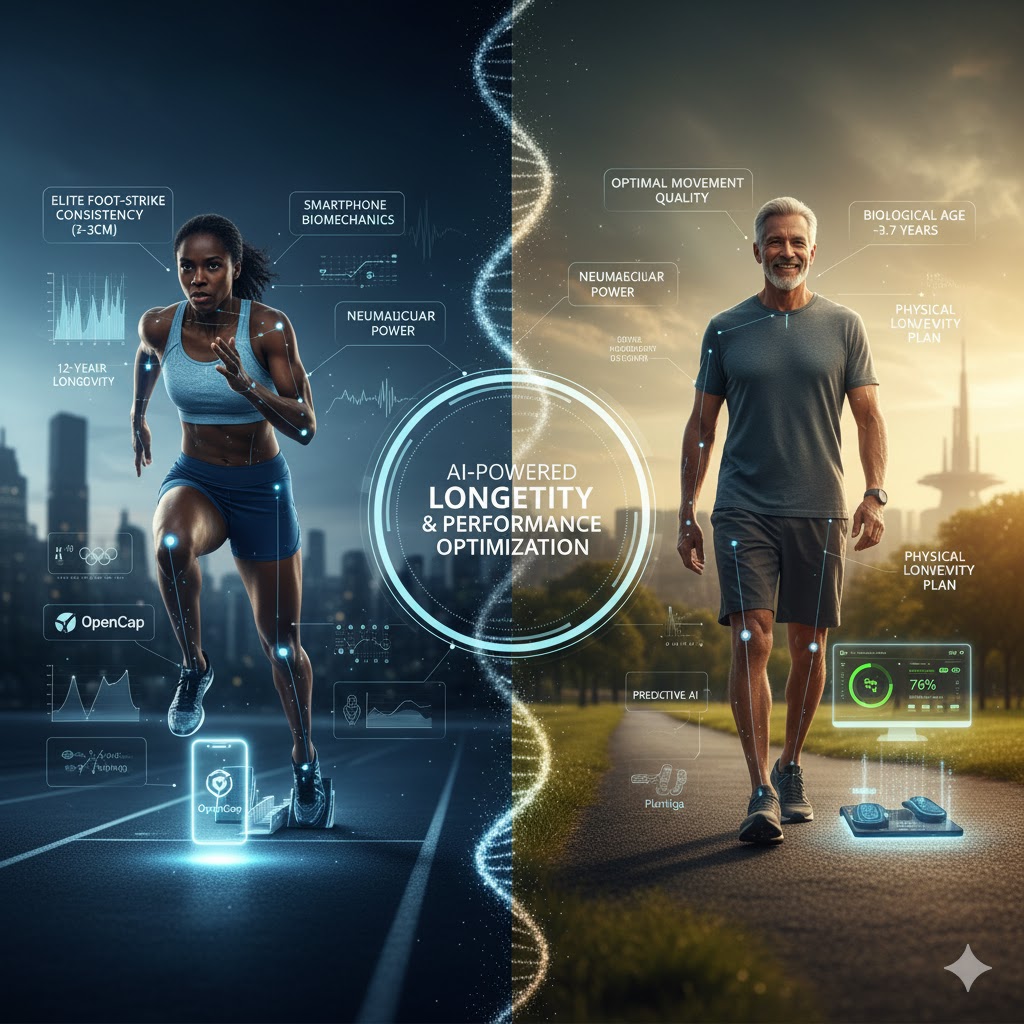
In 2025, I co-founded LongevityPlan.AI with colleagues of mine from Stanford and Ironman triathlon community to help endurance practitioners, coaches, athletes, and organizations they work for optimize their performance using Artificial Intelligence. Our technology platform builds a Digital Twin of each individual, incorporating their wearable data, lab test and biomarkers, electronic health records, performance goals and progress, along with the latest in performance science and performance factor-specific algorithms to deliver truly personalized and preventative training and longevity-related recommendations and plans.
Our goal is to democratize the Digital Twin framework currently used by the NFL, Olympic teams, and certain clinical organizations to proactively improve health outcomes for millions using personal data lakes, performance-focused agentic AI, and the plethora of wearable data being collected and underutilized with this level of specificity.
Any stories or insights that might help us understand how you've built such a strong reputation?
It's challenging to stand out in the crowded artificial intelligence and longevity/fitness markets.
Finishing 3 full Ironman Triathlons over the past 6 years has certainly given me a solid reputation among fitness influencers, especially since I completed the first one after being hit by a car while cycling.
In Artificial Intelligence, I started my first AI company in 2016, before the transformer was invented, kicking off the AI revolution we see now. I've also co-founded a mobile platform that grew to 120 people, and had 2 successful exits as an entrepreneur. One as Vice President of a VC-funded molecular diagnostics company that I grew to $1b in ARR in 2022, and another as CEO of a mobile app platform that was acquired by a strategic partner in 2014.
Most importantly, I love my customers and bend over backwards to listen to their needs and deliver what I promised them.
Can you talk to us about your experience with selling businesses?
Yes, I successfully grew and sold a mobile app platform company to a strategic partner as CEO.
A few of the relevant lessons I learned:
- Grow the company; it's important to deliver a growth opportunity to any potential acquirer.
- Build strategic relationships that create mutual value; even if they don't result in an acquisition, you are building your company.
- Organize, automate, delegate, and build technology and processes that scale; go live quickly and smoothly with enterprise customers – they will appreciate it, spend more, and tell other companies who may be able to leverage your products or services across their larger customer base.